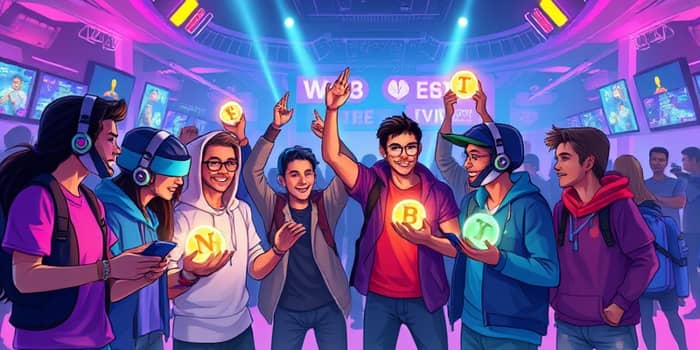
Blockchain technology has transformed many industries, and gaming is no exception. At the cutting edge of this evolution stands the concept of crypto gaming guilds—decentralized collectives that empower players, streamline access, and redefine ownership in digital worlds. As the play-to-earn model gains momentum, these organizations promise to shape the future of interactive entertainment.
Understanding Crypto Gaming Guilds
At their core, crypto gaming guilds are decentralized autonomous organizations where members—players, enthusiasts, and developers—come together to share resources, strategies, and rewards. Unlike traditional guilds governed by a single leader or company, decisions in a crypto gaming guild rest with token holders. Through a governance token, members vote on proposals ranging from asset allocation to new game partnerships.
This structure fosters collective ownership enabled by blockchain technology, granting real property rights over in-game assets. When a player holds an NFT character or item, they truly own it. No developer can revoke or alter its scarcity arbitrarily. This fundamental shift repositions power toward the community and underscores why guilds have become integral pillars of Web3 gaming.
The Challenges They Address
Play-to-earn games promise monetary rewards, but the entry barrier can be steep. Many titles require expensive NFTs or tokens just to begin playing. Without sufficient capital, newcomers are locked out of lucrative opportunities. Crypto gaming guilds bridge this gap through scholarship and lending programs.
- Asset lending allows players to borrow NFTs from the guild’s treasury, lowering the financial hurdle to entry.
- Scholarship agreements divide earnings between the guild, manager, and participant, fostering mutual growth.
- Collective resources create a pool of assets that members can draw from, enabling more players to benefit simultaneously.
By leveraging pooled capital, guilds help novices join ecosystems they otherwise couldn’t access. In turn, they expand their networks, increase their influence across multiple games, and build a sustainable revenue stream for all stakeholders.
Key Operational Mechanisms
Understanding how a guild functions requires examining three core components: funding, governance, and profit sharing.
Funding structures often combine capital raised through token sales, sponsorship deals, and revenue from in-game activities. Governance tokens not only finance operations but also empower holders to shape the guild’s strategic direction.
Profit sharing varies by organization. Some distribute earnings based on time spent playing, in-game achievements, or token holdings. Tiered reward systems can incentivize greater participation by granting larger shares to more active members. Transparent smart contracts ensure distributions occur automatically, reducing administrative overhead and building trust.
The Impact on Gaming Communities
Guilds do more than finance gameplay—they cultivate vibrant, engaged communities. By offering mentorship, tutorials, and shared channels for communication, they lower the barrier to Web3 literacy. New players learn how to set up wallets, manage NFTs, and navigate decentralized marketplaces in a supportive environment.
- Quality control: Guilds vet new GameFi projects and endorse only those with credible roadmaps and fair tokenomics.
- Advocacy: As collective stakeholders, guilds can influence game developers by voting on proposals or threatening to divest if token issuance becomes unsustainable.
- Education: Regular workshops and guides help members master both gameplay and blockchain fundamentals.
This ecosystem of support not only drives adoption but also shields participants from scams and unproven ventures, reinforcing the long-term viability of blockchain gaming.
Prominent Guilds Shaping the Industry
Several pioneering organizations illustrate the transformative power of Web3 guilds. Below is a summary of a few leading examples:
Future Outlook and Considerations
While crypto gaming guilds offer compelling benefits, they also face challenges. Power imbalances can emerge if venture capital or large token holders dominate governance decisions, potentially sidelining average players. Transparency and on-chain voting help mitigate these risks, but continuous vigilance is necessary.
Regulatory uncertainties pose another hurdle. As governments worldwide develop policies around digital assets and decentralized organizations, guilds must adapt to evolving compliance standards without compromising their decentralized ethos.
Looking ahead, the convergence of virtual reality, metaverse platforms, and Web3 gaming will further elevate the role of guilds. They may evolve into full-fledged guildhouses—virtual hubs where players socialize, train, and transact entirely on-chain. Partnerships with game studios could lead to co-developed titles, ensuring that player communities have a direct stake in game design and progression systems.
Ultimately, crypto gaming guilds stand at the intersection of community, technology, and finance. They reduce barriers, amplify collective voices, and create new pathways for gamers to earn, learn, and lead. As the play-to-earn model matures, these organizations will be critical architects of a more inclusive and sustainable gaming ecosystem.