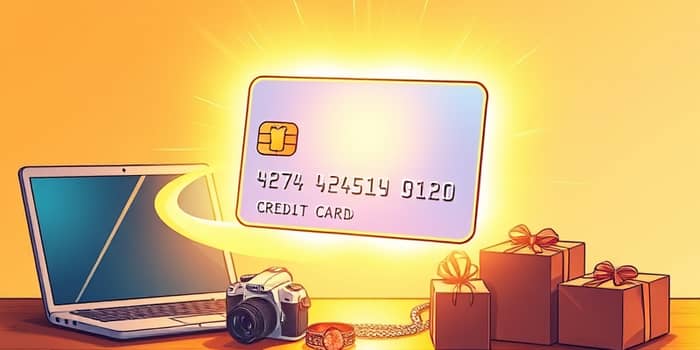
Imagine you unbox a highly anticipated gadget, invest your hard-earned money in it, and within days it is accidentally damaged or stolen. In that moment of panic and frustration, the hidden shield of purchase protection can transform an unexpected loss into an opportunity for recovery and reassurance.
This benefit, often overlooked, is a silent hero embedded in many credit cards, waiting to safeguard you when the unexpected strikes. Beyond reward points and cashback, purchase protection offers a practical safety net that brings peace of mind and added value to each swipe or tap.
What Is Purchase Protection?
At its core, purchase protection reimburses cardholders for eligible items that are stolen, damaged, or lost within a specified timeframe. This benefit requires no special enrollment or extra cost; it is automatically included as a cardholder perk.
Operating as reimbursement without requiring enrollment, this coverage helps cover repair costs, replacement expenses, or reimbursement checks. It stands ready as a backup when primary warranties or insurance fall short.
How Coverage Works
Purchase protection typically functions as secondary coverage. That means it kicks in after any primary insurance or warranty has been exhausted. If your new smartphone slips from your hand into a puddle, first file a claim with your homeowner’s or renter’s insurance (if applicable), and then turn to your credit card’s purchase protection for the balance.
Across card networks and issuers, the details vary:
Under these parameters, premium cards like the Ink Business Cash® and top-tier Visa Infinite options can protect high-value purchases up to $10,000 per claim. For most mainstream cards, individual claims might cap at $500 or $1,000, which still provides a crucial cushion against everyday mishaps.
What’s Covered and What’s Excluded
Purchase protection generally applies to tangible items purchased with the eligible credit card that suffer accidental damage or theft. Common scenarios include dropped cameras, busted tablets, and stolen package deliveries right off your doorstep.
However, certain items and circumstances fall outside protection. Most cards exclude:
- Used or pre-owned items
- Perishables, food, and consumables
- Items left in plain sight before theft
- Antiques, collectibles, and artwork
- Computer software and digital downloads
- Vehicles, boats, and motorized devices
- Losses from acts of war or natural wear and tear
Carefully reviewing the terms and conditions ahead of time can prevent surprises when you file your claim.
Major Card Networks and Examples
While most major networks offer purchase protection, the availability and strength of this benefit depend on the card tier and issuing bank. At its best, this coverage becomes a significant differentiator among premium credit cards, coaxing savvy consumers to favor one plastic piece over another.
Top providers include:
- Visa Signature and Infinite cards through banks like Bank of America
- World Elite Mastercard offers with issuers such as Capital One and Bilt
- American Express premium cards, including Blue Cash Preferred® and Business Gold
- Chase Freedom Flex® and Freedom Unlimited® with 120-day protection windows
Cards lacking this benefit – such as those from Barclays, Citi, and Discover – may be strong in rewards but weaker in protective features.
How to File a Claim
Stepping through the claims process can feel daunting at first, but with a clear plan, you can move swiftly from mishap to resolution:
First, gather all required documentation. This usually includes a copy of the sales receipt, proof of damage or theft (police reports for stolen items or photos of accidents), and any warranty paperwork.
Second, confirm the incident occurred within the coverage timeframe. Many cards allow 60 to 120 days from the purchase date, with an additional filing window after the damage.
Third, submit your claim. Most issuers offer online portals or dedicated claims hotlines. Provide accurate, detailed information to expedite the review.
Finally, follow up regularly. Claims under purchase protection often take two to four weeks to process, depending on the documentation required and the issuer’s procedures.
Strategic Value and Why It Matters
In a market crowded with reward structures and promotional offers, purchase protection quietly stands out. It encourages higher spending and fosters customer loyalty by delivering real value when things go wrong.
Consider the peace of mind you gain with even a modest claim limit of $500. That cushion can transform an expensive repair bill into a minor administrative task. With higher-end cards, the promise of up to $10,000 coverage fuels confidence to invest in electronics, designer apparel, and important home goods.
Maximizing Your Benefit
To get the most from purchase protection, make it a habit to:
- Keep all sales receipts and packaging until the protection window has closed
- Register new electronics or appliances with the manufacturer’s warranty program
- Document the condition of high-value items with photos or videos upon receipt
- File claims promptly, ideally within days of an incident
- Review your cardholder agreement annually to stay informed of changes
These proactive steps ensure you are fully prepared to leverage your card’s protective power.
Real-Life Stories of Purchase Protection in Action
When graphic designer Maya lost her DSLR camera during international travel, her heart sank at the thought of lost work and investment. After filing a police report and documenting the incident, she submitted a claim to her card issuer. Within weeks, the $2,500 camera was fully reimbursed, letting her focus on capturing new memories without financial stress.
Another cardholder, Jordan, accidentally spilled coffee on a high-end keyboard. He submitted photos of the damage along with the original receipt, and his card’s purchase protection covered the full replacement cost. What could have been a costly mistake became a simple administrative call.
Conclusion
Credit card purchase protection is more than a hidden perk—it is a proactive guard against life’s uncertainties. By understanding how it works, reviewing your card’s terms, and keeping thorough records, you unlock a protective shield that can save you thousands of dollars and countless headaches.
Next time you make a purchase, remember the silent power behind your card. Embrace this benefit, and let it safeguard the items that enrich your life. It is time to tap into the unseen power of purchase protection.
References
- https://www.lendingtree.com/credit-cards/articles/credit-card-purchase-protection/
- https://www.aol.com/finance/article/credit-card-hidden-benefits-174050212.html
- https://www.nerdwallet.com/credit-cards/learn/credit-card-purchase-protection
- https://www.consumerreports.org/money/credit-cards/credit-card-benefits-you-might-not-know-about-a6135335136/
- https://www.experian.com/blogs/ask-experian/how-does-credit-card-purchase-protection-work/
- https://www.experian.com/blogs/ask-experian/credit-card-protection-and-insurance-trends/
- https://www.bankrate.com/credit-cards/advice/purchase-protection/
- https://www.pnc.com/insights/personal-finance/spend/lesser-known-credit-card-perks.html
- https://www.chase.com/personal/credit-cards/education/basics/chase-purchase-protection-what-to-know
- https://www.mastercard.com/car/en/personal/experience-mastercard/travelbenefits/purchase-protection.html