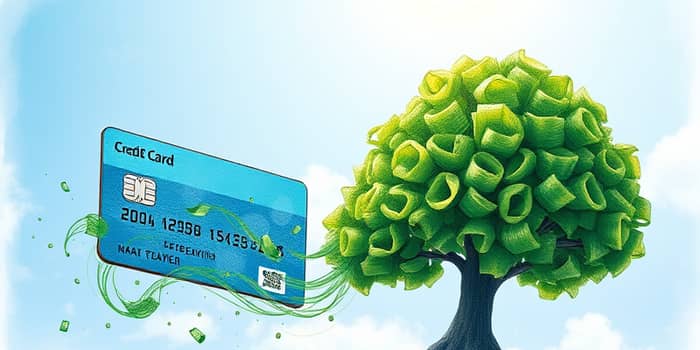
In an era defined by both financial innovation and environmental urgency, businesses are discovering how to harness two distinct forms of credit—financial credit and plastic credits—to accelerate growth while driving sustainability.
From Silicon Valley startups to recycling cooperatives in Southeast Asia, enterprises are leveraging these tools not just as financing levers but as catalysts for community impact and global change. Understanding their mechanics, benefits, and limitations can unlock powerful new pathways for growth.
A New Frontier of Credit
Credit cards have long been a mainstay for small businesses seeking rapid access to funds. Meanwhile, plastic credits—an emerging financing mechanism—are funding waste collection and recycling projects in regions starved of capital. Though distinct, both forms of credit share a common purpose: to bridge financing gaps and incentivize action.
As companies navigate tightening lending conditions and heightened environmental scrutiny, blending these credit models can create an ecosystem for circular plastics economy and provide a short-term liquidity buffer and flexibility when unexpected costs arise.
Financial Credit: Engine for Expansion
In 2022, credit cards accounted for $5.83 trillion in spending, representing 33% of personal consumption and 22% of GDP. For small firms, 55% rely on corporate cards, far outpacing lines of credit (27%) and term loans (26%). These cards offer instant purchasing power for inventory, payroll, and capital expenses.
Key advantages include rapid approvals and revolving limits, making them ideal for entrepreneurs who need cash flow agility. This post-pandemic economic recovery driver was essential when traditional lenders tightened credit post-2020.
Plastic Credits: Financing Waste Solutions
Plastic credits represent one metric ton of waste collected, recycled, or upcycled. Sold on marketplaces like PCX and Verra, they channel funds into communities burdened by polluted waterways and overflowing landfills.
Global plastic waste reached 268 million metric tons in 2022, yet circular plastics financing gaps may swell to $1.2 trillion by 2040. Plastic credits help close this gap, offering a sustainability-driven financing mechanism for circularity and funding infrastructure in pollution hotspots.
Balancing Pros and Cons
Both credit card financing and plastic credits carry unique advantages and limitations. Understanding these factors empowers decision-makers to optimize impact.
- Pros of Business Credit Cards: Instant liquidity, flexible repayment schedules, rewards and rebates.
- Pros of Plastic Credits: Catalyze recycling infrastructure, generate community income, incentivize upstream reduction.
- Cons of Business Credit Cards: High interest rates, potential debt cycles, mixing personal and business expenses.
- Cons of Plastic Credits: Questions of additionality and permanence, lack of unified standards, risk of greenwashing.
Case Studies: Real-World Impact
Grove Collaborative achieved a 23% reduction in plastic use in 2024, then purchased credits for 1.9 million pounds of waste, reaching “plastic neutral” status. This blend of upstream design and credit purchases showcases how companies can pursue deep impact.
In the Philippines, Extended Producer Responsibility regulations allow firms to meet targets by buying credits that fund new recycling centers, creating jobs while diverting thousands of tons of waste from waterways.
Across emerging markets, PCX has processed over 136,000 metric tons of plastic, trading at an average price of $200 per ton. This transparent marketplace with additionality safeguards has proven that voluntary finance can drive large-scale environmental projects.
Intersecting Finance and Sustainability
Credit cards and plastic credits may seem unrelated, but businesses in the plastics and recycling sector often rely on both. A recycling plant might use corporate cards to cover payroll and equipment servicing, while selling plastic credits to fund expansion of its collection operations.
This dual approach helps companies navigate rate hikes and market volatility. With rising interest rates chilling loan approvals, a well-managed credit line can keep facilities running, while plastic credits attract impact-focused investors.
Looking Ahead: Opportunities and Policy
The global chemicals and plastics industry is poised to reach $4.9 trillion by 2025, yet the financing gap for circular initiatives remains vast. As a United Nations plastics treaty takes shape, negotiators are debating whether to embed plastic credits in formal Extended Producer Responsibility frameworks.
On the financial side, 73% of employer businesses now seek bank credit, up from 67% in 2020. Enhanced access suggests robust demand, but companies must manage borrowing costs carefully to avoid hampering growth.
Ultimately, the future belongs to organizations that can weave together innovative credit solutions with ambitious sustainability goals. By leveraging financial credit as a strategic growth tool and plastic credits as an environmental investment, businesses can unlock new pathways to prosperity for communities and the planet.
Embracing both forms of credit is more than a financing choice—it is a commitment to a resilient, regenerative economy where capital and conscience grow hand in hand.
References
- https://trellis.net/article/plastic-credits-rising-criticism/
- https://www.nber.org/digest/202507/credit-cards-financial-source-small-businesses
- https://www.genevaenvironmentnetwork.org/resources/updates/plastics-and-finance-plastics-and-the-environment-series/
- https://www.sba.gov/blog/10-stats-explain-why-business-credit-important-small-business
- https://www.globenewswire.com/news-release/2026/01/30/3229343/28124/en/Plastic-Waste-Management-Market-Report-2026-Advancements-in-Recycling-Tech-Propel-Global-Plastic-Waste-Disposal-Efforts.html
- https://consumerbankers.com/blog/from-the-cba-data-desk-credit-cards-helped-fuel-americas-fastest-post-pandemic-recovery/
- https://about.bnef.com/insights/finance/companies-circular-plastic-ambitions-slow-as-costs-bite/
- https://www.census.gov/library/stories/2026/02/business-financial-health.html
- https://www.persistencemarketresearch.com/market-research/recycled-plastics-market.asp
- https://www.experian.com/blogs/business-information/2025/06/30/e-commerce-is-booming-but-fewer-businesses-seek-credit/
- https://www.plasticstoday.com/legislation-regulations/tariffs-interest-rates-mold-plastics-industry
- https://ramp.com/blog/business-credit-card-statistics-and-metrics
- https://www.plunkettresearch.com/9-major-trends-shaping-the-chemicals-coatings-plastics-industry-insights-for-investors-consultants-and-marketing-professionals-in-2025-and-2026/
- https://www.jpmorganchase.com/institute/all-topics/business-growth-and-entrepreneurship/small-business-use-of-credit-cards
- https://www.fedsmallbusiness.org/reports/survey