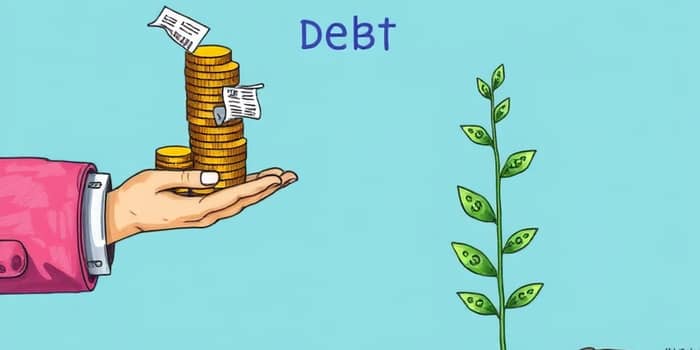
Borrowing money is a powerful tool when used wisely, yet it can become a weight that drags down your financial progress if left unchecked. Millions of homeowners and consumers carry loans that stretch over decades, paying enormous sums in interest without ever making a significant dent in the principal balance. By adopting advanced payoff methods and disciplined investment strategies, you can accelerate your debt repayment and redirect freed-up funds into wealth-building opportunities. This comprehensive guide will help you understand and implement the Cash Flow Maximizer approach, real-world examples, and practical steps you can take today.
Understanding the Cash Flow Maximizer Method
The Cash Flow Maximizer strategy combines disciplined extra payments with targeted investments to dramatically shorten loan terms and grow your portfolio simultaneously. Instead of sticking to the bare-minimum monthly mortgage installment, you direct additional funds toward principal reduction. This not only lowers future interest charges but also frees up cash sooner for reinvestment. When executed consistently, the method can shave years off a 30-year mortgage and save tens of thousands in interest.
Key to this approach is the concept of strategic extra payments effectively. By allocating windfalls such as bonuses, tax refunds, or side-hustle income toward your loan, you build momentum. As the outstanding balance shrinks, more of each subsequent payment goes toward principal, creating a virtuous cycle of accelerated payoff and increasing equity.
Real-World Impact: Examples of Savings
Concrete numbers help illustrate the dramatic difference extra payments can make. The table below highlights three scenarios where borrowers applied additional cash flow to their loans:
In Scenario 1, by consistently applying $12,000 annually toward the mortgage principal, a borrower could pay off a 30-year loan in less than 13 years and save over a quarter-million dollars in interest. Even a more modest $6,000 annual extra payment (Scenario 2) cuts the term by more than a decade and preserves nearly $200,000. The biweekly payment structure (Scenario 3) delivers a smaller boost on shorter loans, still saving six months and nearly $1,000 without significant budget strain.
Building Wealth While Paying Down Debt
One of the most compelling aspects of the Cash Flow Maximizer method is its dual focus on debt reduction and wealth accumulation. Instead of committing all extra funds to your loan, you split additional cash flow between your mortgage and a diversified investment portfolio. For example, a 40-year-old borrower aiming to retire at 65 might:
• Allocate $6,000 per year to extra mortgage payments
• Invest $6,000 per year at an average 5% return
By the time the mortgage is retired in 17.58 years, the investment account will have grown substantially, thanks to compound interest. In the remaining 7.42 years before retirement, the full $12,000 annual contribution can be funneled into investments, supercharging the nest egg.
This hybrid approach ensures you are never forced to choose between eliminating debt and building significant long-term wealth. It balances prudent risk management with aggressive equity creation.
Practical Strategies to Accelerate Your Payoff
Implementing the Cash Flow Maximizer method requires consistent application of proven tactics. Consider the following six strategies to reduce interest charges and shorten your repayment schedule:
- Extra Payments: Add a fixed amount to each monthly installment or apply lump sums from bonuses.
- Round-Up Method: Round payments to the nearest convenient number, such as $300 instead of $267, for minimum effort, maximum impact.
- Biweekly Payment Structure: Switch to biweekly payments to deliver one extra full payment per year automatically.
- Refinancing: When rates drop or credit improves, refinance to a lower APR or a shorter term.
- Debt Snowball Method: Pay off the smallest debts first to build confidence, then roll those payments into larger balances.
- Debt Avalanche Method: Target the highest-interest debt first to reduce your interest costs most efficiently.
Choosing the Right Loan Structure for You
Not all borrowing vehicles are created equal. Depending on your goals, you might explore:
Flexible payment mortgages offering interest-only or minimum-payment options for initial years, home equity lines of credit for adjustable borrowing based on property equity, or securities-based lines of credit using investment portfolios as collateral. Each structure comes with eligibility requirements and risk profiles. Evaluate lender policies on prepayment, margin rates, and potential tax implications before committing.
Key Principles for Financial Success
Beyond specific tactics, your mindset and consistency are paramount. Keep these guiding principles in mind:
- Consistency matters more than perfection: Small, regular contributions provide more benefit than sporadic large sums.
- Verify savings before refinancing: Always calculate total costs including closing fees against projected interest reductions.
- Understand your lender’s prepayment policies: Confirm that there are no penalties for early payoff or extra payments.
- Match strategy to your situation: Choose the Debt Snowball for quick wins or the Avalanche for optimal mathematical savings.
By adopting disciplined payment habits, staying informed about market rates, and balancing debt reduction with smart investments, you can transform your mortgage from a financial burden into a springboard for lasting wealth. The Loan Maximizer approach is designed to give you control, clarity, and the confidence to achieve your financial goals faster than you ever thought possible.
References
- https://apfsc.org/5-smart-strategies-to-pay-off-your-personal-loan-faster
- https://www.schwab.com/learn/story/borrowing-strategies-big-expenses
- https://www.bankrate.com/loans/personal-loans/tips-to-pay-off-personal-loans-early/
- https://www.axosbank.com/partners/wholesale-correspondent-portfolio-lending/programs-and-products/cash-flow-maximize
- https://www.meridianlink.com/blog/how-to-help-borrowers-optimize-debt-amid-rising-delinquencies/
- https://afajof.org/management/viewp.php?n=40012
- https://www.oneunited.com/blog/8-debt-paydown-strategies/
- https://fabfunds.app/blog/interest-only-cash-flow-maximizer-complete-strategy-guide-for-new-jersey-homeowners?hs_amp=true
- https://www.nerdwallet.com/personal-loans/learn/pay-off-debt
- https://www.scucu.com/post/how_to_optimize_your_debt_and_lower_the_true_cost_of_credit.html
- https://www.aeaweb.org/conference/2024/program/paper/YnEEa8ty
- https://www.republicfinance.com/blog/strategies-for-paying-off-a-personal-loan