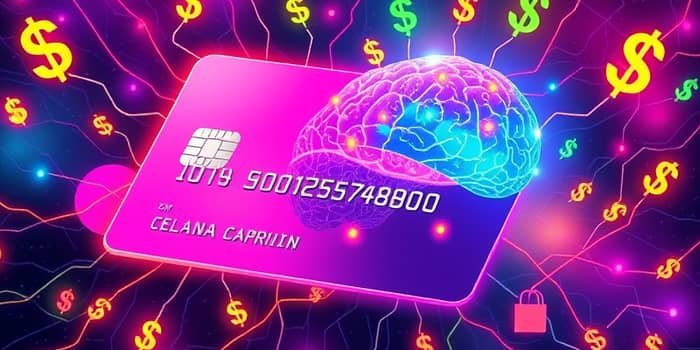
In a world where cash is fading and plastic reigns supreme, credit cards wield an unseen influence over our daily choices. Each swipe or tap does more than just transfer funds—it triggers complex psychological and neurological responses that can steer us toward unplanned purchases, emotional spending, and persistent debt.
This article uncovers the hidden mechanisms at play, explores the emotional drivers behind our habits, and offers practical strategies to help you reclaim control of your finances.
The Neuroscience Behind the Swipe
Decades of research, including landmark fMRI studies, reveal that credit cards activate brain reward centers such as the striatum and dopaminergic pathways. When you slide a card, your brain anticipates pleasure, mirroring reactions seen in gambling or addictive substance cues.
By contrast, handing over cash triggers the insular cortex, generating a sensation akin to physical pain. This “pain of paying” naturally curbs spending, while credit cards remove that brake and instead step on the gas for motivation, encouraging more frequent and larger purchases.
Moreover, delayed payment provides instant gratification without the immediate sting of loss. The mental separation between purchase and bill fosters a buy now, pay later mindset that can easily spiral into recurring debt.
Psychological Mechanisms and Behavioral Patterns
Several intertwined effects explain why credit cards consistently outperform cash when it comes to spending:
- Pain of Paying Gap: Cards distance users from cost, reducing hesitation.
- Reward Sensitization: Swiping conditions the brain to crave more purchases.
- Decision-Making Alterations: Card users focus on benefits, neglecting long-term consequences.
- Spendception Concept: Digital payments create a psychological distance from real money.
Behavioral studies from MIT Sloan, Hong Kong University of Science and Technology, and leading psychology journals confirm that people tip more, buy impulsively, and pay higher prices when using credit cards. Over time, increased credit limits amplify feelings of wealth, further fueling spending and debt cycles.
Emotional Drivers and Personality Influences
Spending isn’t purely rational. Emotions and personality traits play a decisive role:
- Emotional spending often acts as “retail therapy,” offering short-lived relief from stress, boredom, or celebration.
- Materialistic values and low conscientiousness correlate strongly with compulsive buying and credit misuse.
- Cognitive biases such as FOMO, gamification rewards, and mental justifications diminish sensitivity to fees and risks.
Individual differences matter. Tightwads experience acute payment pain and may resist overspending better with cash, while spendthrifts remain indulgent regardless of payment form. Pessimists often curb spending in both scenarios, while optimists tend to downplay potential debt risks.
From Impulse to Addiction
Repeated credit card use can establish patterns akin to substance addiction. The brain’s reward network becomes sensitized, making each swipe more compelling. Vulnerable populations—such as young adults, those with emotional instability, or individuals inclined to view money as power—are at heightened risk of compulsive buying behaviors.
Over time, the interplay between compulsive impulses and accumulating debt can lead to anxiety, depression, and strained relationships. As credit misuse deepens, escaping the cycle without targeted interventions becomes increasingly challenging.
Practical Strategies for Empowered Spending
Awareness is the first step. By understanding the forces at work, you can adopt habits that restore control and balance:
- Use cash envelopes for discretionary categories to preserve the “pain of paying.”
- Automate credit card bill payments in full to eliminate interest and late fees.
- Track purchases daily with budgeting apps to maintain real-time awareness of spending patterns.
Additionally, consider a temporary “spending moratorium” on non-essential purchases. Allow a 48-hour reflection period before any impulse buy. This simple buffer re-engages your prefrontal cortex, where rational decision-making resides.
Comparing Credit Cards and Cash
Embracing Responsible Credit Use
Credit cards can be powerful tools when managed responsibly. They offer purchase protection, rewards, and convenience. The key lies in maintaining mindfulness and setting firm boundaries.
Seek support if credit misuse becomes overwhelming. Financial therapists and counselors can guide you in addressing emotional triggers and rebuilding healthy spending habits.
By combining neuroscientific insights with practical tactics, you can transform your relationship with money. Rather than surrendering to the invisible hand of credit cards, empower yourself with knowledge and discipline.
Your financial journey is a path of intentional choices. Equip yourself with the right tools, stay aware of the hidden forces at play, and chart a course toward lasting stability and freedom.
References
- https://mitsloan.mit.edu/experts/how-credit-cards-activate-reward-center-our-brains-and-drive-spending
- https://freshcredit.com/the-psychology-of-credit-understanding-consumer-behavior/
- https://www.bankrate.com/credit-cards/advice/psychology-of-credit-card-spending/
- https://www.chase.com/personal/credit-cards/education/basics/do-credit-cards-make-you-spend-more
- https://www.moneyfit.org/psychology-of-credit-card-debt/
- https://www.frontiersin.org/journals/psychology/articles/10.3389/fpsyg.2025.1517460/full
- https://pmc.ncbi.nlm.nih.gov/articles/PMC11939284/
- https://wvutoday.wvu.edu/stories/2025/03/17/wvu-research-shows-credit-card-behaviors-are-lifelong-whether-users-carry-debt-or-pay-balances-monthly
- https://www.behavioraleconomics.com/the-behavioral-economics-of-payment-methods/
- https://www.psychologytoday.com/us/blog/retail-therapy/201306/why-we-overspend-credit
- https://thedecisionlab.com/biases/cashless-effect