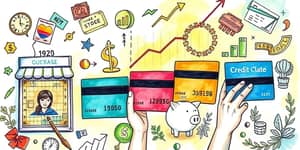
In an era marked by financial uncertainty and growing debt burdens, consumers face a critical choice: continue on a path lined with hidden fees and high interest, or embrace a more responsible, impact-driven approach. This article explores how ethical banking principles and sustainable payment innovations can transform everyday borrowing into a force for good.
Recognizing the Ethical Dilemma of Credit Cards
Credit cards offer undeniable convenience, yet they often conceal high interest rates and fees that erode financial wellbeing over time. Unchecked APRs above 20% can turn routine purchases into long-term liabilities, trapping users in cycles of revolving debt.
Predatory practices persist across the industry. From unrequested credit limit increases to marketing tactics aimed at vulnerable demographics, many issuers prioritize profits over people. This clash highlights the need for credit products that balance access to capital with a genuine commitment to social and environmental values.
The Rise of Everyday Borrowing Amid Economic Pressures
Rising living costs have driven a surge in credit for essentials. Consumers use cards to smooth spending, relying on Section 75 protection in the UK or similar safeguards globally. While these features offer a safety net, they do not mitigate the long-term risks of accumulating balances.
Data underscores this trend: US credit card transaction value reached $4 trillion in 2026, up 5.6% year-on-year. Many households now view credit as an extension of their income just to cover groceries, utilities, and transportation. Yet this reliance can inflate debt levels when interest accrues on unpaid balances.
Mapping the Consumer Debt Landscape
The total US consumer debt surpassed $18 trillion in November 2025, driven by mortgages, revolving credit, and personal loans. Credit card balances now stand well above pre-pandemic levels, reflecting a deeper dependence on borrowing amid inflationary pressures.
A K-shaped economy has emerged, with younger generations squeezed by high housing and education costs, while older cohorts stabilize assets. Gen Z, however, shows promise in embracing circular economy practices, favoring repair, reuse, and resale over new consumption, signaling a potential shift in spending culture.
Ethical Credit Card Options: A Focus on the UK Market
Ethical banks traditionally avoid unsecured consumer credit due to its limited social or environmental impact and the high APRs involved. Nevertheless, a handful of mutual and cooperative providers have launched cards with integrity at their core.
These cards illustrate how mutual structures can offer fairer terms, such as fee waivers and stable credit limits. Yet options remain limited, reflecting ethical institutions’ hesitancy to engage in high-risk unsecured lending.
Sustainable Payment Innovations Shaping 2026
The financial sector is responding to consumer demand for impact-driven services through regenerative loops for reuse and repair. Micro-transactions can fund container returns or subsidize product repairs, embedding sustainability into each swipe.
Digital identity wallets also gain traction, with over 80% of consumers targeted by scams last year seeking robust authentication. By integrating verified digital IDs, payment platforms can reduce fraud and build trust across demographics.
- Regenerative micro-transaction frameworks for packaging returns
- AI-driven personalized offers leveraging 160 billion transactions
- Dynamic payment rules to prioritize debit for small expenses
Future Trends and Opportunities for Impactful Spending
Looking ahead, customizable payment solutions will become standard. Consumers may set rules that channel discretionary spending through debit, reserving credit for larger investments with favorable terms.
Interoperability between cards, mobile wallets, and open finance platforms promises seamless access to ethical credit lines and tailored offers. This integration supports financial inclusion, especially for small businesses and underbanked populations.
- Flexible revolving credit as a universal option
- Personalized sustainability rewards via transaction data
- Digital ID wallets bridging finance and government services
Practical Steps to Become an Ethical Consumer
Shifting spending habits toward impact does not require radical change. Begin by auditing current expenses and identifying areas where credit costs exceed benefits. Clear outstanding balances monthly to avoid compounding interest and consider cards with transparent terms.
Embrace circular economy principles by supporting brands that offer repair, resale, or refill programs. Join loyalty schemes that reward sustainable actions, and leverage digital IDs to protect against fraud while enhancing convenience.
- Review and compare APRs and fee structures
- Prioritize mutual or cooperative card providers
- Engage with regenerative payment models
- Set spending rules using dynamic payment tools
Conclusion
The journey to ethical credit card spending begins with awareness and intentional choice. By selecting providers committed to fairness, advocating for sustainable payment innovations, and adopting responsible habits, consumers can transform borrowing into a catalyst for positive change.
As credit card use continues to grow—projected healthy growth in the US for 2026 despite sluggish sentiment—embracing impact-driven solutions will empower individuals to align financial decisions with their values, fostering a more equitable and resilient economic future.
References
- https://good-with-money.com/2026/02/12/top-3-ethical-credit-cards/
- https://www.mastercard.com/us/en/news-and-trends/stories/2025/2026-payment-trends.html
- https://www.emarketer.com/content/us-consumer-payment-method-trends-2026
- https://www.equifax.com/business/blog/-/insight/article/january-2026-consumer-pulse-the-latest-consumer-credit-trends/
- https://www.rbc.com/en/economics/canadian-analysis/featured-analysis/insights/rbc-consumer-spending-tracker/
- https://www.thisweekinfintech.com/consumer-credit-cards-in-2026/
- https://www.finextra.com/the-long-read/1562/the-global-card-and-credit-trends-set-to-dominate-2026
- https://dbrs.morningstar.com/research/471267/2026-us-credit-card-sector-outlook-another-year-of-disconnect-between-consumers-sour-mood-and-spending-habits