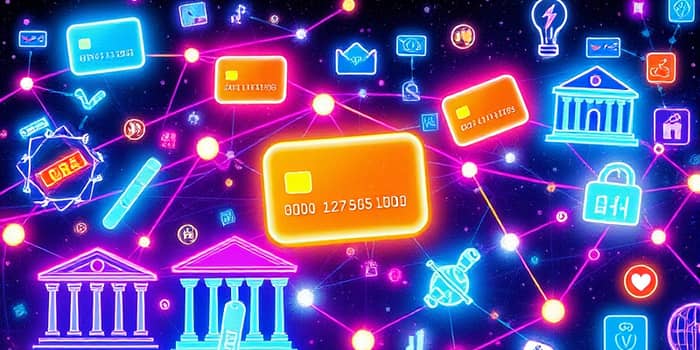
The modern credit card landscape is built upon a complex web of relationships between banks, payment networks, and issuers. Understanding this ecosystem reveals how rewards, fees, and partnerships converge to drive consumer behavior and industry growth.
By exploring the roles of each player and examining recent market shifts, we can develop strategies to maximize benefits while navigating evolving challenges.
Understanding the Core Components
At the heart of the ecosystem are three main pillars: banks (issuers), payment networks, and loyalty programs. Each component plays a distinct role in facilitating transactions and retaining customers.
Major issuers like Chase, American Express, Capital One, Citi, and Bilt leverage proprietary portals and partner alliances to craft closed ecosystems to capture loyalty.
- Issuers/Banks: Manage card issuance, marketing, rewards, and customer service.
- Networks: Process transactions globally, competing on volume and security.
- Loyalty Partners: Airlines, hotels, retailers, and service providers offering perks.
How Closed Ecosystems Drive Loyalty
Issuers design portals—such as Chase Travel, Amex Travel, and Capital One’s Odyssey—to encourage booking within their networks. These platforms often deliver higher earning rates and enhanced redemption values.
With features like statement credits, lounge access, and bonus points, consumers are incentivized to cycle spending back into in-house offerings, creating a integrated issuer-network model driving efficiency across every purchase.
2025-2026 Trends and Market Shifts
The last two years have seen significant transformations, including mergers, premium card refreshes, and the rise of new payment methods.
Key developments include:
- Capital One’s acquisition of Discover, reshaping issuer rankings.
- Mid-tier card updates from Chase and Amex to attract cost-conscious consumers.
- BNPL growth with a 35.9% increase in users driving alternative financing.
- Early adoption of crypto and HELOC cards under regulatory scrutiny.
- Emergence of dynamic rewards optimization with AI insights to personalize offers.
Meanwhile, artificial intelligence is poised to streamline customer service, tailor welcome offers, and secure transactions, with tools like Visa Intelligent Commerce and Mastercard Agent Suite leading the charge.
Challenges and Consumer Strategies
As benefits proliferate, so does complexity. Multiple statement credits, overlapping perks, and stringent merchant restrictions create a “coupon book” to manage each month.
Rejections of high-value purchases or failure to navigate restrictions can erode the appeal of rewards programs.
- Select one primary ecosystem to avoid spreading spend too thin—streamline your wallet into one ecosystem.
- Use mobile apps and AI aggregators to track credits, optimize redemptions, and anticipate limited-time offers.
- Calculate the net value of annual fees versus expected benefits—optimize your rewards for maximum value.
- Stay informed on upcoming card refreshes and promotions to claim elevated welcome bonuses.
By adopting these tactics, consumers can transform the mental load of rewards management into a strategic advantage.
Looking forward, the industry is likely to consolidate further, with one-stop portals becoming the norm and emerging fintech challengers driving innovation in personalized finance.
Ultimately, a well-informed approach—blending technology with savvy decision-making—will enable cardholders to harness the full power of this multifaceted ecosystem. Whether seeking luxury travel perks or everyday savings, understanding the interplay between banks, networks, and issuers is the key to mastering modern credit card finance.
References
- https://thepointsguy.com/travel/tpg-trends-issuers-building-ecosystems/
- https://www.emarketer.com/content/faq-on-credit-cards--payment-networks--generational-shifts--rise-of-financial-media-2026
- https://thepointsguy.com/credit-cards/tpg-predicts-2026-trends/
- https://www.nerdwallet.com/credit-cards/news/credit-card-trends-2026
- https://www.mastercard.com/global/en/news-and-trends/stories/2025/2026-payment-trends.html
- https://www.youtube.com/watch?v=UplomTs5dPc
- https://thefinancialbrand.com/news/banking-products/the-affordability-crisis-is-a-credit-problem-banks-can-fix-both-195596