Refinancing your mortgage is not just a financial transaction; it's a strategic decision that can reshape your economic landscape. Knowing when to make your move is crucial for maximizing savings and achieving long-term goals.
Every homeowner dreams of lower monthly payments and reduced interest costs. However, the art of refinancing lies in timing and analysis. Refinancing is worthwhile when it lowers your monthly payment or total interest, but the devil is in the details.
To navigate this complex terrain, you need a clear framework. This article will guide you through the critical factors, from rate reductions to break-even points, ensuring you make an informed choice. Careful analysis of break-even timing is essential to avoid costly mistakes.
Imagine saving hundreds of dollars each month or shaving years off your loan. With the right move, refinancing can be your ticket to financial freedom.
Understanding the Core Decision Framework
The fundamental principle is straightforward: refinance only when it benefits you financially. A 1% rate drop is generally considered worth pursuing, as it often justifies the upfront costs.
However, smaller reductions require deeper scrutiny. For instance, a 0.5% reduction might be worthwhile only for long-term holders.
Break-even analysis is non-negotiable. You must calculate how long it takes for monthly savings to cover closing costs.
Rate Reduction Scenarios and Financial Impact
Let's break down common rate reductions with practical examples to illustrate the impact.
This table shows that even a small rate change can have significant implications. Monthly savings of $269 with a 1% reduction can quickly add up.
For a 0.5% reduction, the break-even period is longer, so patience is key. Long-term holders benefit most from such scenarios.
When Refinancing IS Worth It
There are several strategic scenarios where refinancing makes perfect sense.
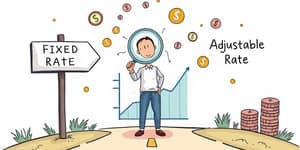
- Switching from an adjustable to a fixed-rate mortgage for stability.
- Eliminating private mortgage insurance (PMI) to reduce monthly costs.
- Accessing home equity through a cash-out refinance for major expenses.
- Shortening the loan term while keeping payments manageable.
- Improving credit score since the original mortgage, even without market rate drops.
- Taking advantage of projected rate declines in 2026 for future savings.
For example, if your home has appreciated, you might eliminate PMI. Eliminating private mortgage insurance can save you hundreds per month.
Credit score improvements can also lead to better rates. Improving credit score since original mortgage opens doors to lower interest.
Critical "When NOT to Refinance" Scenarios
Refinancing isn't always the right choice. Here are situations to avoid.
- If your loan is already well-established with 10+ years paid, refinancing might reset amortization.
- When the rate reduction is too small, it can increase total interest costs.
- If you plan to sell soon, within the break-even period, refinancing costs exceed savings.
- With significant credit challenges, refinancing offers minimal benefit.
For instance, extending loan term without sufficient rate reduction can cost more in the long run.
Always consider how long you'll stay in the home. Plan to sell soon makes refinancing risky.
Loan Term Extension Consequences
Avoid the trap of extending your loan term without adequate rate reduction.
Example: Refinancing from a 7% loan with 25 years left to a 6% loan for 30 years might increase total interest. Lower rate costs more due to extension is a common pitfall.
Instead, refinance into equal or shorter terms. Refinance into shorter term to realize actual savings.
Closing Cost Structure and Opportunity Cost
Closing costs typically range from 2-6% of the loan amount. For a $300,000 loan, this means $6,000 to $18,000.
- Appraisal fees
- Title insurance
- Origination fees
- Other administrative costs
Don't overlook the opportunity cost. Opportunity cost of closing costs could earn returns if invested elsewhere.
Break-Even Analysis and Loan Longevity
The break-even point is critical for decision-making. Calculate monthly savings times months to recover costs.
Compare this to your timeline for staying in the home. Monitor when refinancing is planned within loan payoff schedule.
Serial Refinancing Risk
Repeatedly refinancing keeps you in the interest-heavy early years. Solution: refinance into shorter terms.
- Refinance into 20-22 years to maintain equity-building momentum.
- Avoid resetting progress with new 30-year terms.
Serial refinancing risk can delay financial freedom.
Credit Score Impact
Refinancing affects your credit score temporarily.
- Temporary dip: 5-10 points from hard inquiry.
- New loan account appears on report.
- Recovery in few months with on-time payments.
- Complete inquiries within 45 days to minimize impact.
Temporary dip in credit score is manageable with planning.
2026 Market Context and Rate Outlook
Projections indicate mortgage rates may fall into the 5% range in 2026. Projected rate declines in 2026 create opportunities.
Borrowers who can wait might secure better rates. Stay informed about market trends.
Key Mistakes to Avoid
Common errors identified by lenders include:
- Refinancing without calculating break-even timing.
- Choosing lower rates with higher long-term costs.
- Ignoring how long they'll stay in the home.
- Refinancing repeatedly and resetting progress.
- Trusting online quotes without full disclosure.
Avoid these pitfalls to make smart decisions. Refinancing without calculating break-even is a costly mistake.
Decision-Making Framework Elements
Before refinancing, evaluate these key elements:
- Current interest rate vs. available refinance rates.
- Total closing costs and true break-even period.
- How long you plan to stay in home and keep the loan.
- Current financial goals and overall situation.
- Federal Reserve policies influencing rate changes.
- Whether you've built substantial equity.
- Loan term options (maintaining or shortening).
- Alternative uses for closing costs.
This comprehensive approach ensures you make an informed choice for your financial future.
Refinancing is an art that requires patience, analysis, and timing. By understanding when to make your move, you can unlock savings and achieve your dreams. Take the time to evaluate, plan, and act wisely.
References
- https://themortgagereports.com/51755/should-i-refinance-for-quarter-percent-lower-refinance-rates
- https://sistarmortgage.com/blog/refinancing-trends-2026-break-even-timing
- https://www.amerisave.com/learn/should-you-refinance-your-mortgage-in-scenarios
- https://bettermoneyhabits.bankofamerica.com/en/home-ownership/top-five-reasons-to-refinance
- https://www.southstatebank.com/mortgage/mortgage-insights/mortgage-rate-outlook
- https://fortune.com/article/current-refi-mortgage-rates-01-08-2026/
- https://www.cbsnews.com/news/what-to-consider-about-mortgage-refinancing-september-2025/
- https://www.spglobal.com/ratings/en/regulatory/article/2026-us-residential-mortgage-and-housing-outlook-robust-issuance-growth-amid-stagnant-home-prices-s101660033
- https://www.fha.com/fha_article?id=4072
- https://www.thetruthaboutmortgage.com/2026-mortgage-and-real-estate-predictions/