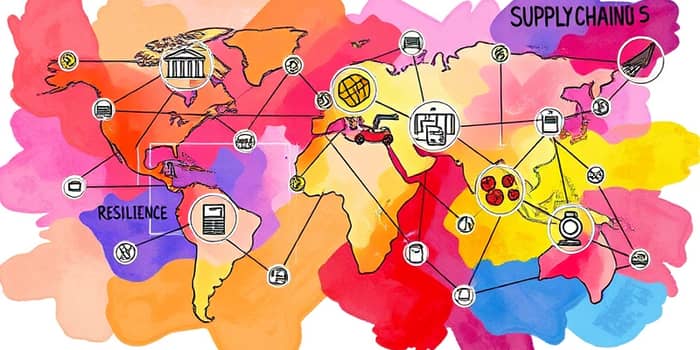
The global supply chain landscape in 2026 is fraught with challenges that ripple through every market sector.
From tariffs to technological demands, these disruptions test the resilience of businesses worldwide.
Embrace proactive strategies now or risk severe financial and operational fallout from these evolving threats.
This article delves into the causes, effects, and actionable solutions to help you stay ahead.
Understanding these shocks is the first step toward building a more resilient organization.
The Anatomy of Supply Chain Shocks
Several key factors converge to create widespread supply chain instability in 2026.
Tariffs and trade disruptions lead the charge, with U.S. policies under Trump imposing significant costs.
For example, blanket tariffs of 10% on most imports escalate to sector-specific rates up to 40%.
This forces companies to rapidly rethink sourcing and pricing strategies overnight.
Geopolitical tensions add another layer of complexity, pushing firms toward nearshoring and allyshoring.
U.S. imports from countries like Thailand and Indonesia have surged by over 30% year-to-date.
Economic slowdowns further strain systems, as consumer spending decelerates amid affordability issues.
A softening labor market and sluggish housing sector drag on commodities such as lumber and furniture.
The silicon shock, driven by explosive AI and data center demand, creates shortages cascading to consumer electronics.
This positions it as a macro theme akin to historical oil shocks, impacting everything from laptops to digital wallets.
Other shocks include resource scarcity and regulatory volatility, such as emissions reporting mandates.
Shrinking trucking capacity leads to double-digit rate hikes, increasing transport's share of total spend.
- Tariffs causing overnight cost changes and route reevaluations.
- Geopolitical risks fragmenting global trade into bilateral deals.
- Economic turbulence stressing supplier viability and inventory design.
- Silicon shortages disrupting tech and consumer goods markets.
- Regulatory shifts accelerating adoption of electric fleets and sustainable practices.
These elements combine to destabilize supply chains, prompting urgent action from leaders.
Market Repercussions Unveiled
The fallout from these shocks is profound and multifaceted, affecting costs, logistics, and consumer behavior.
Cost inflation becomes a primary concern, with higher landed costs due to duties and modal shifts.
For instance, sea-air and less-than-container-load (LCL) options see increased use as alternatives.
This volatility in pricing and logistics forces businesses to adopt more flexible sourcing strategies.
Consumer spending faces disruption, as affordability issues lead to cautious purchasing patterns.
Retailers and manufacturers must navigate these pricing pressures to maintain market share.
Upstream effects ripple through packaging and chemicals sectors, exacerbating supply chain fragility.
Supply chain destabilization manifests in importer caution and unreliable carrier schedules.
Blank sailings, which surged to 131 in April 2025, fell 65% to 46 by November, indicating stabilization.
However, this fragility persists, requiring continuous monitoring and adaptation.
- Higher costs from tariffs and logistics adjustments.
- Volatility in consumer demand and spending habits.
- Disrupted production schedules and supplier relationships.
- Increased need for inventory buffers and payment term redesign.
- Growing emphasis on sustainability and compliance reporting.
These repercussions demand immediate attention to prevent long-term damage to business operations.
Strategies for a Resilient Future
To mitigate these shocks, companies must shift from reactive to proactive resilience strategies.
Focus on total value, which maximizes enterprise-wide benefits beyond mere cost savings.
Diversification and network redesign are critical, reducing single-point failures in supply chains.
This includes supplier and vendor diversification, as well as multi-node distribution systems.
Modal flexibility, such as blending ocean and air freight, helps navigate logistics disruptions.
Workforce flexibility acts as a shock absorber, with cross-trained staff and scalable partners.
Budgeting for training and overtime buffers addresses aging leadership and skill shortages.
Technology integration leverages AI, predictive analytics, and Digital Twins for scenario planning.
Real-time visibility enables preemptive pivots, balancing automation with human judgment.
Cost optimization involves network consolidation and reverse logistics integration for peak returns.
Sustainability efforts, driven by 2026 regulations, include electric fleets and digital emissions reporting.
Quantified resilience metrics embed measurable terms like disruption recovery time into planning.
This ensures that resilience becomes a core competency, not just an afterthought.
- Implement supplier diversification to mitigate tariff impacts.
- Invest in technology for better visibility and predictive capabilities.
- Develop flexible workforce strategies to adapt to changing demands.
- Optimize costs through network redesign and consolidation efforts.
- Prioritize sustainability to meet regulatory and consumer expectations.
Adopting these strategies can transform challenges into opportunities for growth.
Sector-Specific Impacts and Responses
Different industries face unique challenges from supply chain shocks, requiring tailored approaches.
Retail and eCommerce sectors grapple with reverse logistics strains, especially post-holiday returns.
Planning and pricing tests arise from consumer slowdowns, making diversified networks essential.
Manufacturing and upstream industries feel the pinch from housing slowdowns affecting lumber and furniture.
Supplier debt risks necessitate viability stress tests and global manufacturing optimization.
Transportation and logistics see normalization in blank sailings but caution around routes like the Red Sea.
Trucking rate hikes force CFOs to model capital for realignments and capacity adjustments.
Tech and AI sectors experience silicon cascade effects, disrupting consumer electronics pricing and availability.
This highlights the need for strategic stockpiling and alternative sourcing in critical components.
- Retail: Focus on reverse logistics and consumer demand forecasting.
- Manufacturing: Address supplier viability and commodity volatility.
- Transportation: Adapt to modal shifts and rate fluctuations.
- Tech: Manage silicon shortages and innovation pacing.
- All sectors: Embed resilience into core operational strategies.
Tailoring responses to sector nuances enhances overall market stability and business continuity.
Preparing for What's Ahead
Looking forward, leadership must evolve from linear operators to network orchestrators.
Prioritize resilience as a core competency, embedding it into every decision and process.
Investment needs include funds for training, backup systems, and technology upgrades.
While not free, these investments are cheaper than the costs of disruption and downtime.
Outlook risks persist, with volatility from legal challenges and temporary trade deals.
The 2026 landscape emphasizes prevention through automation, compliance, and continuous improvement.
Reports from organizations like ASCM and Prologis provide deeper insights into trends and predictions.
For example, the ASCM Top 10 Trends highlight tech, talent, and risk management priorities.
Prologis forecasts further trucking rate increases, urging proactive capital planning.
Embrace a culture of agility and innovation to stay competitive in this dynamic environment.
- Shift leadership focus to network orchestration and strategic resilience.
- Allocate budgets for resilience-building investments and contingency plans.
- Monitor external reports and trends for proactive adaptation.
- Foster collaboration across departments and supply chain partners.
- Continuously evaluate and refine strategies based on performance metrics.
By taking these steps, businesses can not only survive but thrive amid supply chain shocks.
The future belongs to those who adapt swiftly and build enduring resilience into their operations.
References
- https://kpmg.com/xx/en/our-insights/operations/supply-chain-trends-2026.html
- https://ijility.com/news/the-2026-supply-chain-resiliency-playbook/
- https://www.supplychaindive.com/news/supply-chain-trends-risks-2026-retail-manufacturing/808797/
- https://skilldynamics.com/blog/supply-chain-trends-that-will-define-2026/
- https://www.globaltrademag.com/u-s-supply-chains-regain-balance-as-tariff-shock-fades-but-2026-risks-loom/
- https://www.panelbuilt.com/blog/2026-supply-chain-trends/
- https://www.fticonsulting.com/insights/articles/transportation-logistics-outlook-shock-strategic-reinvention
- https://www.ascm.org/making-an-impact/research/top-10-supply-chain-trends-in-2026/
- https://www.businesstimes.com.sg/opinion-features/silicon-shock-when-ai-demand-broke-supply-chain
- https://microstrat.com/knowledge-center/blog/2026-priorities-building-resilience-for-an-unpredictable-world
- https://supplychaindigital.com/top10/top-10-predictions-for-2026
- https://www.ascm.org/ascm-insights/2026-begins/
- https://www.prologis.com/insights-news/research/bold-predictions-2026-supply-chain-trends-watch