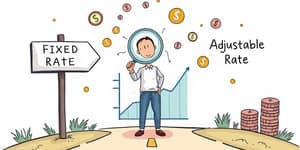
Making financial decisions can feel like standing at a crossroads, where every choice shapes your path to stability and growth.
Understanding the core differences between loan types is your first step toward confidence and control over your finances.
This guide will inspire you to choose wisely, balancing risk and reward to achieve your dreams without unnecessary stress.
Let's delve into the world of loans, where knowledge transforms uncertainty into opportunity.
What Are Secured Loans?
Secured loans are backed by collateral, such as your home, car, or savings account.
This asset acts as a safety net for lenders, reducing their risk if you default on payments.
Common examples include mortgages and auto loans, where the property or vehicle serves as security.
By offering collateral, you open doors to larger sums and more favorable terms.
- Auto loans
- Home equity loans
- Secured personal loans
- Boat or RV loans
These loans are ideal for major purchases, where lower interest rates can save you money over time.
What Are Unsecured Loans?
Unsecured loans do not require any collateral, relying instead on your creditworthiness and financial history.
Lenders assess factors like your credit score, income, and debt-to-income ratio to approve your application.
This type of loan offers flexibility, allowing you to use funds for various purposes without asset risk.
Examples are abundant in everyday financial life, from personal loans to credit cards.
- Personal loans
- Credit cards
- Student loans
- Medical loans
With quick funding options, unsecured loans provide timely support when you need it most.
Key Differences at a Glance
To make an informed choice, it's crucial to compare secured and unsecured loans side by side.
This table highlights the main aspects, helping you visualize the trade-offs involved.
By examining these factors, you can align your choice with your financial stability goals and immediate needs.
Pros and Cons: Weighing Your Options
Every loan type has its advantages and drawbacks, influencing your decision based on personal circumstances.
For secured loans, the benefits often center around cost and accessibility.
- Lower interest rates and APRs
- Higher borrowing limits
- Easier approval process
- Longer repayment terms possible
However, the risks include potential loss of assets if you cannot repay, which can impact your credit and livelihood.
- Risk of losing collateral on default
- Funds may have use restrictions
- Longer approval times due to appraisals
Unsecured loans offer freedom and speed, but at a higher financial cost.
- No collateral risk
- Flexible fund use
- Quick funding
Yet, they come with challenges like strict qualification criteria and higher rates that can strain your budget.
- Higher interest rates
- Harder qualification for bad credit
- Lower amounts and shorter terms
Balancing these pros and cons helps you navigate toward a loan that fits your life.
Interest Rates and Qualification Factors
Interest rates are a critical component, directly affecting your repayment amount and overall cost.
Secured loans often feature rates that are 20% lower on average compared to unsecured options, making them attractive for long-term investments.
Unsecured loans compensate for the lack of collateral with higher rates, which can vary based on credit scores and market conditions.
For example, excellent credit might secure a rate as low as 6.24% APR, but unsecured loans commonly range from 7% to 36%.
Qualification depends on several factors, with each loan type emphasizing different aspects.
- For secured loans: Collateral value is key, and lower credit scores are often acceptable.
- For unsecured loans: Credit score (mid-600s or higher), income, debt-to-income ratio, and sometimes alternative data like education history.
Understanding these elements empowers you to improve your eligibility and secure better terms.
When to Choose Secured vs. Unsecured
Your decision should hinge on your specific needs, assets, and financial history.
Secured loans are best when you have collateral and seek substantial funds for major purchases.
- If you need large sums for a home renovation or car purchase.
- When you have poor credit but own valuable assets.
- For long-term projects where lower interest rates reduce overall cost.
Unsecured loans shine in scenarios requiring speed and flexibility without putting assets at risk.
- If you have good credit and need quick funds for emergencies.
- When you prefer avoiding asset risk and want to use money freely.
- For smaller, short-term needs like debt consolidation or medical bills.
Consider your confidence in repayment and willingness to risk assets to guide your choice.
Practical Steps to Make Your Decision
Taking actionable steps can simplify the process and lead to a more confident outcome.
Start by assessing your financial situation, including your credit score, income, and existing debts.
Evaluate the purpose of the loan and how it aligns with your long-term goals, such as buying a home or funding education.
Compare offers from multiple lenders, focusing on APRs, terms, and fees to find the best fit.
Reflect on your risk tolerance; if you're uncomfortable with potential asset loss, an unsecured loan might be safer.
Finally, consult with a financial advisor if needed, to gain personalized insights and avoid common pitfalls.
By following these steps, you can make a choice that supports your financial health and peace of mind.
Remember, loans are tools—use them wisely to build a brighter future without compromising your stability.
Embrace this knowledge as a stepping stone to financial empowerment, where every decision brings you closer to your aspirations.
References
- https://www.bankrate.com/loans/personal-loans/secured-vs-unsecured-personal-loans/
- https://www.academybank.com/article/whats-the-difference-between-a-secured-loan-and-unsecured-loan
- https://www.nerdwallet.com/personal-loans/learn/secured-vs-unsecured-loans
- https://www.crestmontcapital.com/blog/do-unsecured-loans-have-higher-interest-rates
- https://www.afbank.com/article/comparing-secured-loans-vs-unsecured-loans
- https://business.bankofamerica.com/en/resources/secured-vs-unsecured-business-loan
- https://www.pnc.com/insights/personal-finance/borrow/secured-vs-unsecured-loans.html
- https://www.bankrate.com/loans/personal-loans/rates/
- https://www.truist.com/money-mindset/principles/outsmarting-debt/secured-vs-unsecured-loans
- https://www.ne.bank/secured-vs-unsecured-lending
- https://www.firsthope.bank/what-is-a-secured-personal-loan-vs-unsecured/