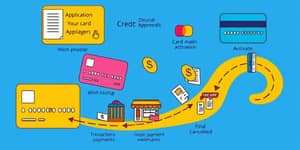
Closing a credit card is more than cutting up a piece of plastic; it’s a strategic financial decision. When approached with care, it can eliminate unnecessary fees, reduce temptation, and keep your credit history intact. This guide offers a compassionate, actionable roadmap so you can close accounts without compromising your long-term goals.
Understanding the Impact on Your Credit Score
Your credit score is shaped by multiple factors, and closing a card can send ripples through several of them. By grasping these effects, you can plan each step to protect your standing.
- Credit Utilization Ratio (30% of score)
- Length of Credit History (15% of score)
- Credit Mix (10% of score)
When you close a card, you reduce total available credit, which may raise your overall utilization if you carry balances elsewhere. The ideal goal is to keep that ratio under 30% of your limits. Additionally, closing an established account can lower your average account age, impacting the 15% of your score tied to history. Finally, if you shed one of your revolving accounts, your credit diversity may shrink, affecting the mix of installment versus revolving balances.
Although the initial effect is often a short-term score dip, well-managed closure and ongoing good habits will help your score recover and continue to grow. Remember, closed accounts in good standing remain on your report for up to ten years.
When to Consider Closing a Credit Card
Deciding whether to close a card is as personal as your goals. Sometimes simplicity and cost savings outweigh a minor, temporary credit impact. Other times, you’ll want to preserve every point for an upcoming mortgage or auto loan.
- High annual fees outweigh benefits
- Unused cards encourage overspending
- Better rewards or interest rates elsewhere
- Thin file with few accounts—avoid closing oldest
- High-limit card crucial for utilization
- Excellent payment history you don’t want to lose
Before you pull the trigger, ask yourself: Is this card your oldest? Does it carry a large credit line that keeps your utilization low? If the answer is yes, you might hold off until you have a replacement or until you’ve paid down other balances.
Steps for a Responsible Closure Process
Closing a card responsibly involves careful planning, simple verification, and diligent follow-up. Follow these steps to minimize any negative fallout.
- Pay off or transfer any balance. Ensure the card balance is zero to avoid interest and fees. Verify pending charges have posted before proceeding.
- Cancel recurring payments. Redirect subscriptions, utilities, or autopay services linked to the card so nothing is declined after closure.
- Review utilization and history. Calculate how your overall credit utilization and average age will shift. Delay closure if you plan to apply for credit soon.
- Redeem rewards and credits. Cash in points, miles, or cashback; most issuers void them upon account closure.
- Contact the issuer directly. Call the number on the back of your card, request confirmation in writing that the account is “closed at customer request,” then follow up with a mailed letter if needed.
- Monitor your credit reports. Check Equifax, Experian, and TransUnion within weeks to ensure the account is marked correctly. Dispute any errors immediately.
- Destroy the card securely. Shred or cut through the chip and magnetic strip to prevent fraudulent use.
Timing matters: avoid closing a card just before applying for a mortgage or car loan, as that temporary drop could affect your approval odds or interest rate.
Additional Tips and Warnings
Issuers often present retention offers—such as waived fees or bonus points—to keep you on board. Evaluate any proposal against your long-term plan. If your issuer automatically closes inactive, paid-off cards after months of dormancy, you may lose the account without notice.
Here’s a real-world illustration: imagine you have a card with a ₹100,000 limit and you pay it off every month. Its closure raises your utilization if your other cards are near capacity. Maintaining at least one high-limit card can smooth out these fluctuations and preserve score momentum.
After closure, focus on maintaining low balances across your remaining cards, paying on time, and regularly reviewing your reports. Over six to twelve months, consistent habits can reverse any lost points and strengthen your profile for future goals.
By taking control of your credit landscape, you can unlock opportunities like favorable loan terms, new cards with richer rewards, and the freedom to pursue your dreams—whether that’s buying a home, funding education, or traveling the world. Responsible closure isn’t just an administrative task; it’s a strategic move toward a healthier financial future.
References
- https://dortonline.org/2025/01/08/how-to-handle-closing-a-credit-card/
- https://www.experian.com/blogs/ask-experian/will-closing-a-credit-card-hurt-your-credit/
- https://www.peachstatefcu.org/blog/how-to-cancel-a-credit-card-correctly-to-prevent-credit-score-damage
- https://www.idfcfirst.bank.in/finfirst-blogs/credit-card/closing-credit-card-effect-credit-score
- https://www.jgwentworth.com/resources/mp-how-to-close-a-credit-card-without-hurting-your-credit-score
- https://www.equifax.com/personal/education/credit-cards/articles/-/learn/how-closing-credit-cards-impact-credit-scores/
- https://www.bankrate.com/credit-cards/advice/how-to-cancel-a-credit-card/
- https://www.consumerfinance.gov/ask-cfpb/does-it-hurt-my-credit-to-close-a-credit-card-en-1231/
- https://financialwellnesscenter.northwest.bank/credit-and-debt/credit/article/closing-down-a-credit-card-account
- https://www.navyfederal.org/makingcents/credit-debt/does-closing-a-credit-card-hurt-your-credit-score.html
- https://www.consumerfinance.gov/ask-cfpb/i-want-to-close-my-credit-card-account-what-should-i-do-en-84/
- https://www.chase.com/personal/credit-cards/education/credit-score/does-closing-credit-card-hurt-score
- https://www.nerdwallet.com/credit-cards/learn/closing-credit-card
- https://www.myfico.com/credit-education/faq/cards/impact-of-closing-credit-card-account
- https://www.citi.com/credit-cards/understanding-credit-cards/how-to-cancel-a-credit-card