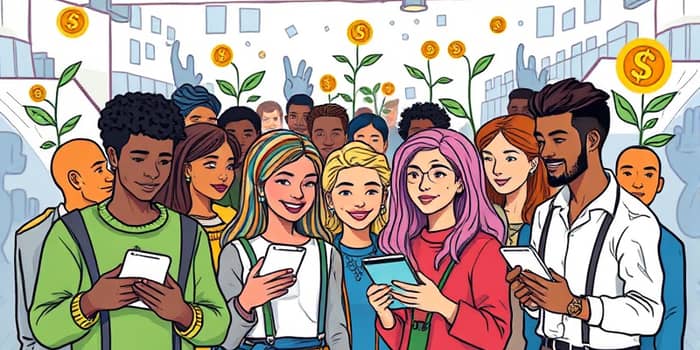
Imagine a world where every great idea has the chance to flourish, regardless of background or resources.
Microloans are transforming this vision into reality, offering a lifeline to those often overlooked by traditional finance.
Small, short-term loans can make a huge difference, bridging the gap between ambition and opportunity for countless entrepreneurs.
This article explores how microloans empower small businesses, providing not just capital but also the tools for lasting success.
What Are Microloans?
Microloans are small, typically under $50,000, designed to support startups and underserved entrepreneurs.
They focus on working capital needs, helping businesses launch and grow without the barriers of large loans.
These loans are provided by nonprofits, community lenders, or programs like the SBA Microloan Program.
They prioritize potential over perfect credit, making them accessible to a wider range of people.
By offering manageable amounts, microloans fill a critical gap in traditional lending, ensuring that more dreams can take flight.
Key Programs and Providers
Various organizations offer microloans, each with unique benefits and support systems.
- SBA Microloan Program: Provides up to $50,000 with mentoring and technical assistance, ideal for U.S.-based startups.
- Nonprofit and Community Lenders: Focus on underserved groups like women and minorities, offering coaching alongside loans.
- Online Platforms: Enable faster approvals with minimal paperwork, though rates may be higher.
- Credit Unions and Specialized Lenders: Offer flexibility for freelancers and small teams with little collateral needed.
- Peer-to-Peer Lenders: Connect borrowers to investors, often with mission-driven goals for specific communities.
Choosing the right provider depends on your business needs and location.
Uses and Restrictions
Microloans fund essential operational costs that keep small businesses running smoothly.
- Working capital for daily expenses like payroll and supplies.
- Inventory purchases to meet customer demand.
- Equipment and machinery for improved productivity.
- Startup costs to launch a new venture or re-open an existing one.
However, there are important restrictions to note.
Understanding these limits helps entrepreneurs plan effectively and avoid pitfalls.
Advantages of Microloans
Microloans come with numerous benefits that make them a smart choice for many small businesses.
- Accessibility for early-stage businesses, even with limited credit history.
- Support services like mentoring and financial education, which go beyond just money.
- Flexibility in terms, with fast approval times and manageable repayment schedules.
- Affordability through reasonable interest rates, often lower than alternative options.
- Ability to build business credit for future financial needs.
These advantages empower entrepreneurs to focus on growth rather than financial stress.
Disadvantages of Microloans
While beneficial, microloans have limitations that businesses should consider.
- Limited loan amounts may not suffice for rapid expansion or large capital needs.
- Higher rates on non-SBA options, along with potential fees like origination costs.
- Sometimes require personal guarantees or collateral, which can be a barrier.
- Usage restrictions prevent funds from being used for certain purposes like real estate.
- May be quickly outgrown by scaling businesses, necessitating larger loans later.
Being aware of these cons helps in making informed decisions and exploring alternatives if needed.
Ideal Candidates for Microloans
Microloans are best suited for specific types of businesses and entrepreneurs.
- Startups needing initial capital to get off the ground.
- Owners with poor or limited credit history seeking to rebuild their financial standing.
- Businesses aiming to establish credit for future borrowing opportunities.
- Those who value mentorship and technical assistance alongside funding.
- Industries such as childcare, retail, and food services, where small-scale operations thrive.
If you fit this profile, microloans could be the key to unlocking your business potential.
Application Process and Requirements
Applying for a microloan involves clear steps to ensure a good fit and approval.
First, identify a microlender that aligns with your business goals and location.
Prepare essential documents, including a detailed business plan and financial projections.
Lenders review your repayment potential, focusing on cash flow and business viability.
Personal guarantees or collateral might be required in some cases, so be ready to discuss assets.
Terms vary by lender, so compare options to find the best match for your needs.
With a strong application, you can secure the funds needed to propel your business forward.
Global Impact of Microloans
Beyond local programs, microloans have a profound effect on entrepreneurship worldwide.
They empower underserved communities by providing accessible capital where traditional banks fall short.
Models like the Grameen Bank demonstrate how small loans can lift people out of poverty.
International NGOs and platforms adapt these principles to support startups in diverse regions.
This global reach fosters economic growth and innovation across borders.
By embracing microloans, entrepreneurs everywhere can turn dreams into sustainable businesses, creating a ripple effect of positive change.
Conclusion
Microloans are more than just financial tools; they are catalysts for empowerment and resilience.
They offer a practical path for small businesses to overcome obstacles and achieve success.
Whether you're starting out or looking to expand, explore how microloans can support your journey.
With the right approach, these loans can help build a brighter future, one small business at a time.
References
- https://www.biz2credit.com/business-micro-loans-guide/microloan-pros-cons-small-business
- https://www.credibly.com/guides/microloans/
- https://legal-resources.uslegalforms.com/m/microloan
- https://www.sba.gov/funding-programs/loans/microloans
- https://sba.thehartford.com/finance/microloans/
- https://www.sofi.com/learn/content/microloans/
- https://www.wolterskluwer.com/en/expert-insights/microloan-basics-for-small-businesses
- https://laketrust.org/business/borrowing/small-business-microloans