In today’s fast-paced economy, effective cash management can mean the difference between scaling rapidly and struggling to survive. Unlocking hidden operational capital often requires creative approaches that go beyond traditional bank loans. One of the most powerful yet underutilized techniques is harnessing the interest-free period between charge and payment—commonly known as the credit card float.
By learning how to optimize every dollar’s time value, businesses can free up working capital, maintain stronger emergency reserves, and even earn additional rewards. This comprehensive guide dives deep into the mechanics of credit card float, practical setup steps, risk mitigation, and complementary cash back strategies.
What Is Credit Card Float?
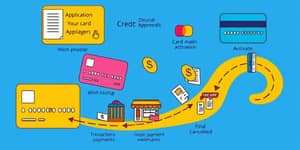
Credit card float refers to the span between when a charge is posted to your card and when the payment is actually due. Depending on the card’s billing cycle, businesses can enjoy an up to 45 days of float for purchases made just after the statement closing date. During this period, the company retains cash in its operating account rather than committing it immediately to pay down the balance.
This temporary cash cushion can fund payroll, cover vendor invoices, or serve as a buffer during revenue lulls. When managed properly, the float becomes a strategic lever that amplifies liquidity without incurring interest charges.
Key Strategic Advantages
- Enhanced operational flexibility: Profits arrive before major expenses need funding.
- Stronger emergency cash reserves: Float preserves cash for unexpected costs.
Beyond pure timing benefits, float can be paired with cashback or points rewards to unlock a dual stream of value. For example, deploying $100,000 in monthly float—with zero interest—while capturing 1.5% average cash back and investing idle funds in short-term instruments could generate thousands of extra dollars annually.
Float Management Best Practices
Effective float management hinges on disciplined processes and the right tools. Without clear oversight, the strategy can backfire and lead to late fees or interest charges.
- Automate bill payments and reconciliation to avoid missed deadlines.
- Use staggered statement dates: Spread purchases across multiple cards to extend total float.
- Implement real-time transaction monitoring through accounting software.
- Set replenishment triggers for top-ups when balances approach thresholds.
By integrating accounting platforms that timestamp each transaction and track fund transfers, businesses gain clear visibility into when cash must move versus when obligations post to the card.
Combining Float with Rewards Optimization
While float improves liquidity, pairing it with a carefully chosen reward structure adds another layer of benefit. Cash back can effectively reduce net expenses or accumulate funds for reinvestment.
The simplest approach for busy teams is to select a flat-rate cash back card offering at least 2% on all purchases. However, businesses with predictable spending patterns might leverage bonus categories—like 6% at supermarkets or 5% at office supply stores—to maximize earnings.
To illustrate, a business with $50,000 monthly spending could earn $1,000 back on a flat-rate card, plus interest income if they park float in a high-yield account.
Risk Mitigation and Cash Positioning
“Riding the float” carries inherent risks if a company lacks sufficient reserves. Maintain at least two months’ expenses in liquid savings before relying heavily on float. Automate alerts for upcoming payment deadlines and review all card statements against bank ledgers each month.
Establish an internal rule: if any balance dips below a pre-set safety level, trigger a manual transfer to ensure full payment. By combining float with robust cash reserves, businesses sidestep late fees, preserve credit scores, and keep their operations running smoothly.
Strategic Card Selection Framework
Choosing the right combination of cards aligns spending habits with reward structures while extending float windows. Consider these guiding principles:
- Match card cycles to cash inflows: Align statement dates with key revenue dates.
- Prioritize flat-rate rewards for broad spending categories.
- Deploy rotating-category cards for predictable high-volume purchases.
- Review annual fee trade-offs against potential rewards.
For businesses seeking simplicity, two cards may suffice: one flat-rate universal card and one bonus-category card. Larger enterprises can incorporate more cards to stagger float periods strategically.
Automation Tools and Monitoring
Modern spend-management platforms integrate directly with both corporate bank accounts and credit card portals. Leverage machine-learning expense categorization features to flag anomalies and ensure accurate reconciliation. Set up mobile notifications for real-time approval of large charges and automate monthly report generation to maintain oversight without manual data entry.
By marrying technology with disciplined processes, finance teams can scale float strategies confidently across multiple subsidiaries or international operations.
Building Long-Term Financial Resilience
Mastering credit card float is not a one-off tactic but an ongoing component of a holistic cash management plan. When combined with solid reserves, reward optimization, and automation, float becomes a reliable lever to accelerate growth, fund innovation, and secure a competitive edge.
Embrace the discipline of structured scheduling, maintain clear visibility over transactions, and continuously refine your card mix. With these strategies in place, your business will not only survive cash flow challenges but thrive in today’s dynamic market.
References
- https://ramp.com/blog/what-are-cash-and-credit-card-float
- https://www.bankrate.com/credit-cards/cash-back/best-cash-back-cards/
- https://www.bluevine.com/blog/strategically-using-credit-card-float
- https://www.experian.com/credit-cards/best-rewards/
- https://www.treasurefi.com/blog/creative-floats-are-great-but-creating-float-is-better
- https://www.nerdwallet.com/credit-cards/compare
- https://www.alaan.com/blog/cash-float-business-expenses-calculation-examples
- https://www.creditkarma.com/credit-cards/cash-back-cards
- https://www.expresscashflow.com/mastering-the-float-strategies-for-cash-flow-management/
- https://creditcards.chase.com/cash-back-credit-cards
- https://www.bill.com/learning/credit-card-float
- https://thepointsguy.com/credit-cards/best/
- https://www.faithfi.com/faithfi/understanding-credit-card-floatand-how-to-avoid-it-7591
- https://www.cashbackmonitor.com
- https://www.youtube.com/watch?v=7a1JBI-2Y1I