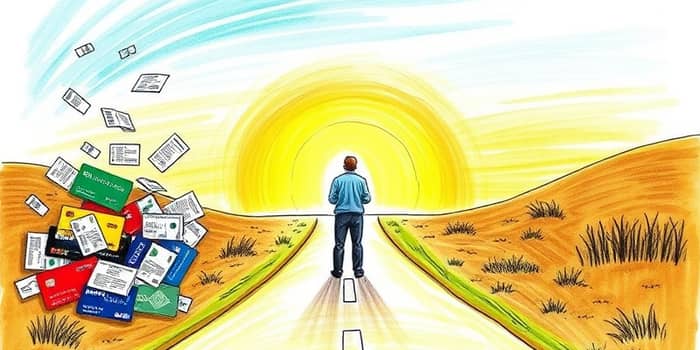
When facing multiple debts—credit cards, personal loans, student bills—you might feel trapped in a cycle of payments. Debt consolidation offers a way to streamline your monthly obligations into one manageable payment. Although it does not erase what you owe, this approach can provide clarity, reduce costs, and help you build a stronger financial future.
Understanding Debt Consolidation
Debt consolidation combines several outstanding balances into a single new loan or account. By restructuring your debt into a fixed-rate installment, you gain a clear timeline and predictable payment schedule. This model often works best for high-interest credit card balances, medical bills, or personal loans that carry varying rates and due dates.
It’s important to note that consolidation does not cancel your liability. Instead, it replaces multiple payments with one, aiming for lower interest rates for savings and a simplified repayment plan over a set term—often three to five years.
Methods of Consolidating Debt
- Personal Loans: An unsecured loan used to pay off existing debts, featuring fixed monthly installments.
- Balance Transfer Cards: Move credit card debt to a card offering an introductory 0% APR for up to 21 months.
- Home Equity Loans/HELOCs: Leverage home equity for a lower rate, but beware of avoid the risk of foreclosure.
Each method carries unique terms, fees, and qualification criteria. Origination charges, transfer fees, and credit requirements should be weighed carefully before deciding.
Weighing the Benefits
When executed correctly, consolidation can unlock several advantages:
- Single payment simplifies tracking and reduces missed deadlines.
- Lower rates allow you to allocate more funds toward principal, accelerating payoff.
- On-time payments help improve your credit utilization ratio and build positive history.
By consolidating, you may also free up cash flow for essentials, luxuries, or emergency savings—all while maintaining a structured payback schedule.
Potential Drawbacks and Risks
- Fees and Costs: Origination fees up to 8% of the loan and balance transfer charges of 3–5%.
- No Savings Guarantee: A new rate could be higher than your existing debts if your credit is weak.
- Credit Impact: Hard inquiries and account closures can cause a short-term score dip.
- Temptation to Overspend: minimize the temptation to overspend on newly available credit lines.
Secured options, like home equity loans, increase risk—failure to pay could threaten your property. Always align consolidation choices with your comfort level for risk and repayment capacity.
Impact on Your Credit Score
Debt consolidation influences various credit factors. While a hard inquiry may slightly lower your score, consistent payments on an installment loan can yield long-term benefits. A clear view of how each factor plays a role helps you make informed choices.
Focusing on timely payments and reduced utilization can outweigh the short-lived impact of new credit inquiries or account changes.
Deciding If Consolidation Is Right for You
Assess your financial situation by examining your debt-to-income ratio, credit score, and spending habits. Consolidation is ideal for those with multiple high-rate balances and a commitment to commitment to disciplined repayment. If ongoing overspending or irregular income plagues you, alternative solutions may suit you better.
Alternatives and Additional Considerations
Other paths include debt management plans, negotiation with creditors, or professional counseling. Each route demands honest reflection on habits and the ability to adhere to a budget. Closing paid accounts, avoiding new loans, and building an emergency cushion are critical steps toward long-term financial health.
Practical Steps to Get Started
Begin by listing all debts, including balances, rates, and payment dates. Use online calculators to project savings and payment timelines. Research lenders, compare offers, and read terms meticulously. Once approved, channel freed-up funds into extra principal payments or a dedicated savings account to bolster your financial resilience.
By approaching debt consolidation with a clear plan and realistic expectations, you can transform a complex debt load into a single, manageable commitment. With discipline and consistency, this strategy can be the turning point toward a future of financial confidence and freedom.
References
- https://www.equifax.com/personal/education/debt-management/articles/-/learn/what-is-debt-consolidation/
- https://www.pnc.com/insights/personal-finance/borrow/what-is-debt-consolidation-and-how-does-it-work.html
- https://www.ccfcu.org/debt-consolidation-pros-and-cons/
- https://www.lancofcu.com/blog/personal-loans-for-debt-consolidation-pros-cons/
- https://www.oldnational.com/resources/insights/pros-and-cons-of-consolidating-your-debt/
- https://www.experian.com/blogs/ask-experian/pros-and-cons-of-debt-consolidation/
- https://studentaid.gov/help-center/answers/article/pros-and-cons-of-consolidation
- https://www.usbank.com/financialiq/manage-your-household/manage-debt/Consolidating-debts-Pros-cons-keep-in-mind.html