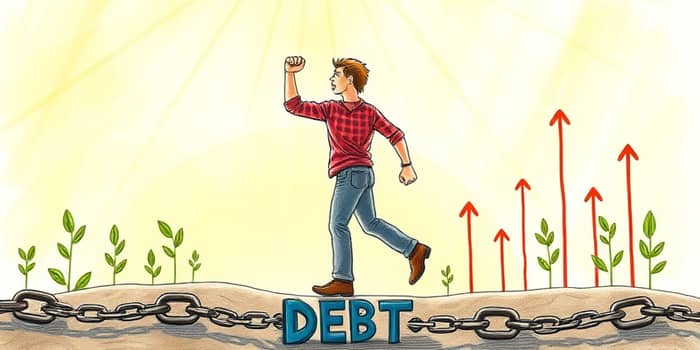
Loan rejection can feel like a personal indictment, shaking confidence and stirring anxiety. Yet behind every denial is a set of data points and risk calculations, not a verdict on your character.
By demystifying why lenders say no and embracing targeted recovery steps, you can turn rejection into a catalyst for financial empowerment and long-term success.
Imagine Sarah, a first-time homeowner whose mortgage application was declined due to an elevated debt-to-income ratio. Rather than retreat, she reviewed her finances, paid down balances, and restructured her budget. Six months later, she secured a mortgage at a competitive rate, proof that informed persistence pays off.
Understanding the Landscape of Loan Rejections
In recent months, US consumer rejection rates for new credit lines climbed to 24.8%, reflecting heightened caution among lenders. Subprime auto loans showed record-high delinquencies above 7%, while credit card interest rates reached multiyear peaks. These dynamics underscore the importance of positioning yourself as a low-risk borrower.
Bank expectations for 2026 project stable overall lending standards, though modest tightening is expected for certain sectors. Economic uncertainty, including recession fears and uneven income growth, amplifies scrutiny on applicants. Recognizing these macro trends empowers you to tailor your application strategy accordingly.
Understanding the nuanced criteria used by lenders—from credit scores and collateral to income consistency—allows you to address weaknesses proactively.
Immediate Steps After a Rejection
Initial disappointment is natural, but swift action can transform challenges into clear next steps.
- Clarify the denial reasons: Speak directly with a loan officer, requesting a breakdown of each factor that influenced the decision.
- Analyze your credit report: Obtain free reports from major bureaus, reviewing them line by line for errors or outdated accounts.
- Gather missing documentation: Verify that your application package included all required pay stubs, tax forms, and asset statements.
- Explore provisional approvals: Some lenders offer conditional pre-approval pending specific corrective actions—use these as targets.
Sarah’s story continues: after her first denial, she discovered an old debt collection that had been resolved but remained on her report. Correcting that entry raised her credit score by 30 points and cleared the path for mortgage approval.
Building a Stronger Financial Profile
Once you know the obstacles, crafting a plan to overcome them becomes possible. Small, consistent wins add up to substantial long-term improvements.
Consider two popular debt reduction methods: the snowball and avalanche strategies. The snowball focuses on paying off the smallest balances first to build momentum and confidence. The avalanche targets high-interest accounts, minimizing total interest paid. Choose the method that aligns with your personality and financial goals.
- Automate payments to ensure never missing a due date and avoiding late fees.
- Prioritize high-interest debt to shrink balances faster under the avalanche method.
- Maintain credit card balances below 30% of limits, and ideally below 10%, to enhance utilization ratios.
- Open a secured card or credit-builder loan to add positive payment history, especially if you have thin credit files.
- Request a credit limit increase on existing cards without adding new debt to improve utilization metrics.
Allocating windfalls—such as tax refunds or bonuses—directly to high-interest balances can deliver what experts call the fastest and biggest credit score boost.
Tracking progress with free tools and credit monitoring alerts helps you stay motivated and react quickly to new opportunities or red flags.
Exploring Alternative Solutions
When traditional loans remain out of reach, alternative financing avenues can keep your plans on track without resorting to predatory lending.
- Pre-qualify with multiple lenders through soft inquiries to compare interest rates and terms side by side.
- Investigate buy now, pay later programs that split purchases into interest-free installments, often without a hard credit check.
- Consider peer-to-peer lending platforms, which can offer competitive rates and flexible credit criteria.
- Explore short-term cash advance apps—while fees exist, they can bridge small gaps and protect your credit score from inquiries.
- Tap into community or nonprofit loan programs designed for specific needs, such as home repairs or educational expenses.
Each option carries trade-offs—fees, repayment schedules, or credit impacts—so weigh them against your budget and goals before committing.
Emotional Resilience and Mindset
Financial setbacks often trigger stress, self-doubt, or shame. Cultivating a resilient mindset is as important as strengthening your credit profile.
Remember that rejection is an operational decision based on risk metrics, not a reflection of your personal value. Adopting unwavering determination and resilience can turn challenges into stepping stones.
Strategies for emotional well-being include:
- Keeping a journal to track progress, document lessons learned, and celebrate milestones.
- Seeking mentorship or joining support groups where peers share insights and encouragement.
- Practicing mindfulness or stress-management techniques to maintain focus and reduce anxiety.
By nurturing your mental health alongside practical financial actions, you ensure that setbacks fuel growth rather than undermine your confidence.
Charting the Path Forward
With a clear strategy, progress tracking, and a resilient mindset, you can reinvigorate your journey toward credit approval and financial stability.
Set incremental goals, such as boosting your score by 20 points within three months or reducing your debt-to-income ratio by 5%. Regularly review your budget, adjust your strategy based on lender feedback, and remain agile as economic conditions evolve.
As Sarah ultimately discovered, perseverance pays off. By systematically addressing each denial factor—correcting errors, paying down balances, and presenting clear documentation—she not only secured her mortgage but did so at a lower interest rate than initially anticipated.
Transforming rejection into opportunity requires more than improving numbers; it demands a shift in perspective. View each denial as an invitation to refine your approach and strengthen your financial foundation.
Whether you’re an individual striving for homeownership, an entrepreneur seeking business capital, or someone consolidating debt, the path through rejection can become the catalyst for your most significant financial victories.
In every challenge lies the seed of innovation. Embrace loan setbacks as part of your growth narrative. With strategic action, emotional resilience, and a forward-looking mindset, you can turn today’s rejection into tomorrow’s triumph.
References
- https://www.emarketer.com/content/rejection-rates-new-credit-access-tick-upward-new-york-fed-data
- https://www.bankrate.com/loans/personal-loans/tips-to-recover-loan-denial/
- https://www.youtube.com/watch?v=EBIe1O6Jd1w
- https://www.nerdwallet.com/personal-loans/learn/personal-loan-denied-how-to-recover
- https://www.federalreserve.gov/data/sloos/sloos-202601.htm
- https://www.credibly.com/incredibly/rejected-for-a-loan-do-these-9-things-right-now/
- https://www.census.gov/library/stories/2026/02/business-financial-health.html
- https://enrich.org/denied-credit-union-members-need-a-roadmap-not-rejection/
- https://www.philadelphiafed.org/surveys-and-data/large-bank-credit-card-and-mortgage-data
- https://www.amres.com/amres-resources/potential-hurdles-dealing-with-loan-denial-or-delays
- https://www.spglobal.com/ratings/en/regulatory/article/us-auto-loan-abs-tracker-full-year-and-december-2025-performance-s101669935
- https://www.score.org/resource/blog-post/my-loan-was-rejected-whats-next
- https://alternativefundingpartners.com/loan-denials-top-10-reasons-and-solutions/
- https://www.youtube.com/watch?v=sSbSuYq4aCI