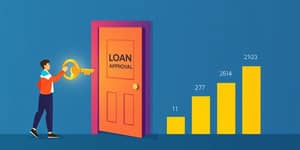
Borrowing money can feel daunting, but armed with the right knowledge, you can transform debt into a strategic tool for growth. This guide will help you master loan literacy, empowering you to borrow with confidence and build a stable financial future.
Understanding Loan Literacy and Its Importance
Loan literacy is the ability to evaluate borrowing options and use credit as a purposeful instrument rather than a convenience. It teaches borrowers to distinguish between good and bad debt and to navigate loan agreements with clarity.
By cultivating clearly defined financial goals, you gain:
- Improved budgeting alignment with objectives
- Effective control over outstanding balances
- Strategies to boost your creditworthiness
- Pathways to long-term financial independence
- Reduced stress through proactive planning
Types of Loans and Best Use Cases
Not all loans are created equal. Secured loans like mortgages and auto loans typically offer lower interest rates because collateral reduces lender risk. Unsecured personal loans carry higher rates but can be ideal for consolidating debt or funding an emergency expense when you have no collateral.
When choosing a loan, conduct a structured comparison of lending options to uncover hidden fees, introductory rates, and early repayment penalties. Consider the purpose, term length, and total cost before committing.
Steps to Become a Savvy Borrower
Follow these seven steps to ensure every loan you take moves you closer to financial freedom:
- Assess Your Financial Situation
- Check and Monitor Your Credit Score
- Borrow Only What You Truly Need
- Compare Lenders and Loan Terms
- Read and Understand the Fine Print
- Plan and Automate Your Repayments
- Build and Maintain Safety Nets
Begin by creating a detailed budget that accounts for income, fixed expenses, and savings goals. Review your credit report for errors and work on improving the score before applying.
Only borrow the amount necessary for your goal—resist the temptation of maximum approved credit. Shop around for the best APRs, origination fees, and repayment schedules, then scrutinize the contract for hidden charges.
Set up automatic payments to avoid missed deadlines and explore biweekly repayment plans to shave months off your loan term. Finally, establish an emergency fund (3-6 months expenses) and maintain adequate insurance to shield against unexpected setbacks.
Common Pitfalls and How to Avoid Them
Even experienced borrowers can stumble. Recognize these traps and learn how to steer clear:
- Falling into high-interest traps on revolving credit
- Overborrowing beyond your repayment capacity
- Ignoring the total cost of credit, including fees
- Missing payments and damaging your credit score
- Accepting informal loans without documented terms
- Using loans for everyday living expenses
Adopt effective debt repayment strategies such as the snowball or avalanche method to regain control. Always calculate the full cost of a loan before signing on the dotted line, and avoid treating credit as extra income.
Integrating Loans into Broader Financial Planning
Loans should serve as one component in a comprehensive long-term financial planning framework. Pair borrowing with disciplined budgeting, regular saving, and prudent investing.
Maintain a robust emergency cushion and review your debt portfolio annually to identify refinancing opportunities. By building a healthy credit score, you unlock the lowest rates and fees, amplifying your borrowing power for strategic investments like a home purchase or education.
Ultimately, the goal is to leverage debt responsibly, weaving it into a cohesive strategy that supports both your immediate and future dreams.
Conclusion
Mastering loan literacy transforms borrowing from a burden into an opportunity. By understanding loan types, comparison shopping, and practicing disciplined repayment, you can unlock new pathways to wealth and independence. Embrace these principles today to chart a course toward a stronger, more secure financial future.
References
- https://web.learningupgrade.com/2024/09/18/5-key-benefits-of-learning-financial-literacy/
- https://energyone.org/2024/03/05/how-to-use-personal-loans-wisely-tips-for-responsible-borrowing/
- https://www.intuit.com/blog/innovative-thinking/financial-tips/the-benefits-and-importance-of-financial-literacy/
- https://www.amerantbank.com/ofinterest/best-ways-to-use-personal-loans-guide/
- http://www.bihbank.com/financial-literacy-education-what-it-is-why-its-important/
- https://www.nerdwallet.com/personal-loans/learn/the-best-ways-to-borrow-money
- https://www.oncourselearning.com/resources/benefits-financial-literacy
- https://www.gcu.edu/blog/business-management/what-financial-literacy-why-important
- https://www.morganstanley.com/articles/beyond-basic-borrowing
- https://www.nea.org/resource-library/financial-literacy-economic-inequality
- https://www.equifax.com/personal/education/loans/articles/-/learn/personal-loan-things-to-consider/
- https://pathwayscu.com/help-center/financial-literacy
- https://gatton.uky.edu/news/avoid-these-mistakes-when-taking-out-personal-loans
- https://openfl.pressbooks.pub/financialliteracy/chapter/making-your-borrowing-decisions/