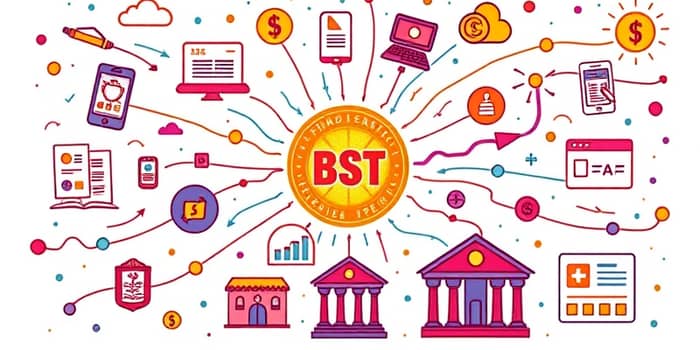
The modern lending landscape is no longer a series of isolated transactions. Today, a vibrant loan ecosystem underpins the entire borrower journey, connecting technologies, institutions, and regulations in a unified network. Whether you are a borrower seeking clarity or a lender aiming for operational excellence, understanding this ecosystem is essential.
At its core, a loan ecosystem integrates loan origination systems, payment processors, compliance modules, and analytics tools to deliver seamless end-to-end digital integration. By aligning every participant—from loan officers to regulators—it fosters efficiency, compliance, and exceptional customer experience.
Core Concepts: The Central Hubs
Every loan ecosystem revolves around two critical platforms: the Loan Origination System (LOS) and the Loan Management Software (LMS). While the LOS handles application intake, credit decisioning, and regulatory record keeping, the LMS governs payment scheduling, collections, and ongoing customer service.
These systems serve as the central hub for borrower lifecycle management, unifying data from front-end interfaces and back-end operations. Instead of siloed spreadsheets or manual processes, lenders tap into a single source of truth, reducing errors and expediting decision cycles.
Beyond core platforms, point-of-sale interfaces and customer relationship management modules enrich borrower interactions. A cohesive architecture ensures that loan officers, underwriters, and compliance teams all work with up-to-date information, minimizing friction and accelerating closures.
Key Components and Participants in the Ecosystem
Building a robust loan ecosystem requires a diverse ensemble of systems and actors, each contributing specialized capabilities.
- Core Systems: These include the LOS for credit adjudication, the LMS for servicing, POS software for applications, and CRM platforms for borrower engagement.
- Integration & Workflow Tools: Payment processors automate collections, product pricing engines tailor loan terms, rules-based workflows enforce compliance, while powerful APIs connect to credit bureaus, verification services, and fraud prevention tools.
- Participants & Actors: Lenders, loan officers, brokers, third-party providers, investors, structured finance managers, and regulatory bodies collaborate to originate, fund, and monitor loans.
Together, these elements establish a resilient framework. Core systems anchor data flows, integration tools automate routine tasks, and human actors bring judgment and oversight. By balancing technology with expertise, the ecosystem can respond to borrower needs, regulatory shifts, and market demands.
Processes and Workflows: From Origination to Secondary Markets
The loan lifecycle typically spans four interconnected stages, each powered by digital workflows:
1. Origination: Borrowers submit applications via digital portals or mobile apps. POS interfaces gather data, product pricing engines calculate rates, and APIs trigger income and identity verifications in real time. This automated orchestration ensures rapid pre-approvals.
2. Processing: Intelligent, rules-based queues replace manual checklists. Underwriters review exceptions flagged by business rules, while the LOS updates credit decisions and generates compliant documentation. Data synchronizes across CRM and accounting systems, providing a unified borrower record.
3. Servicing: Once a loan is funded, the LMS schedules payments, manages escrow accounts, and tracks delinquency. Borrowers experience real-time borrower status updates through self-service portals, while collections teams leverage integrated loss mitigation tools for proactive outreach.
4. Secondary & End Stages: Loans are packaged for securitization, delivered to investors, and stored in secure e-vaults. CLO managers and arrangers in structured finance rely on detailed analytics and standardized reporting to optimize portfolio performance and risk allocation.
This end-to-end digitization reduces reliance on paper—only 1% of back offices are fully digital—and unlocks new efficiencies. By automating repetitive tasks, lenders can reallocate staff to higher-value activities, like relationship management and strategic planning.
Benefits and Challenges: Realizing Value at Scale
A mature loan ecosystem offers transformative advantages. Lenders enjoy streamlined processes reduce origination costs by cutting manual touchpoints and accelerating decision times. Borrowers benefit from enhanced transparency through digital portals, accessing clear loan terms and payment schedules at any time. Risk teams leverage enhanced risk mitigation through automated audits, detecting anomalies and ensuring regulatory compliance. Finally, ecosystems enable seamless integration across diverse fintech services, fostering innovation in embedded finance and open banking.
However, integrating legacy systems with modern platforms can be complex and costly. Disparate data models, rigid workflows, and evolving regulations require continuous adaptation. Lenders must invest in change management, data governance, and API security to maintain resilience and trust.
Quantifying Success: Metrics and Insights
Strategic Takeaways and Practical Tips
Whether you represent a small credit union or a global bank, embracing a loan ecosystem requires a clear vision and disciplined execution. Begin by auditing your current infrastructure—identify legacy systems that hinder real-time data sharing and prioritize replacements or API wrappers.
Focus on borrower experience: implement self-service portals and mobile applications that offer real-time visibility into loan status. Empower your teams with dashboards that highlight exceptions and compliance gaps to maintain proactive risk management.
Forge partnerships with trusted third-party providers. Credit bureaus, fraud prevention firms, and e-signing platforms can accelerate innovation without burdening internal resources. Design your architecture around open APIs to ensure future scalability.
Finally, cultivate a culture of continuous improvement. Regularly review performance metrics, encourage cross-functional collaboration, and stay abreast of regulatory trends. By iterating on your ecosystem strategy, you can transform operational complexity into competitive advantage.
Conclusion: Navigating the Future of Lending
The loan ecosystem represents a paradigm shift in financial services, replacing siloed workflows with integrated, borrower-centric platforms. As digital transformation accelerates, the institutions that master ecosystem orchestration will lead the market, delivering better outcomes for borrowers and stakeholders alike.
By embracing core hubs, automating processes, and leveraging data-driven insights, lenders can unlock unprecedented efficiency and innovation. At the same time, borrowers will benefit from greater transparency, speed, and customization in their lending experiences.
Begin your journey today—assess your systems, prioritize integration, and commit to a strategic ecosystem mindset. The future of lending is interconnected, and the opportunities are limitless.
References
- https://www.shawsystems.com/building-a-tech-ecosystem-around-your-loan-management-platform/
- https://www.besmartee.com/blog/mortgage-ecosystem/
- https://anandautar.substack.com/p/the-financial-ecosystem-a-foundational
- https://payally.co.uk/glossary/financial-ecosystem/
- https://octus.com/resources/blog/understanding-the-clo-market-ecosystem/
- https://www.nefe.org/initiatives/ecosystem/default.aspx