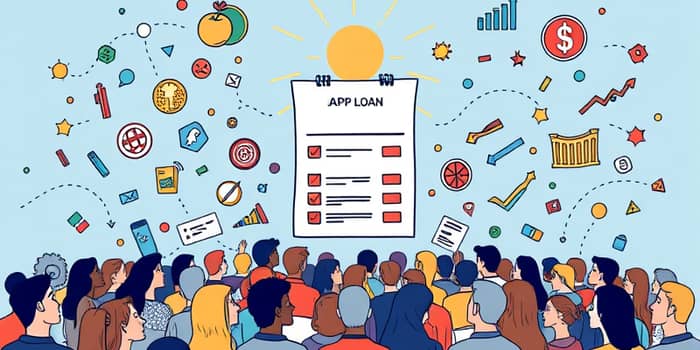
In today’s competitive lending environment, crafting a memorable and well-structured loan application can make all the difference. When rejection rates are soaring and lenders scrutinize every detail, applicants must present a narrative that resonates and financials that impress.
Nearly 48% of loan seekers face at least one rejection within a year, while overall credit rejection rates have climbed to 24.8%. For small businesses, large banks approve only 13.8% of applications, smaller banks approve 19%, and non-bank lenders approve nearly 25%. These numbers highlight the urgent need to refine your approach, streamline the application, and understanding lender-specific approval rates to maximize success.
The Current Lending Landscape
Economic indicators and regulatory shifts have created a challenging funding environment. Rising interest rates and stricter underwriting standards mean that lenders are more selective than ever. Yet, opportunities remain for those who prepare meticulously and tailor their applications to meet lender expectations.
For personal loans, APRs range from 11.3% for excellent credit to over 25% for scores below 630. Business loan APRs can span from 14% up to 95%, depending on creditworthiness and collateral. By knowing these ranges, applicants can set realistic targets and negotiate from a position of knowledge.
Demographic groups face different hurdles: Millennials and Gen Z report denial rates of 59% and 65% respectively, while parents with young children confront a 55% rejection rate. Understanding these patterns helps tailor applications and anticipate challenges.
Understanding Your Credit Score
Your personal credit score is a key determinant in the approval process. Approximately 55% of approved applicants report scores of 700 or higher. However, 20% of those approved had scores below 660, showing that weak credit can be offset by other strengths.
To boost your score, focus on:
- Paying down high credit card balances
- Addressing any discrepancies on your credit report
- Maintaining low credit utilization ratios
- Making all payments on time
Monitor the length of credit history, diversify credit types, and limit new inquiries in the months leading up to your application. Even small actions can improve your score by several points and demonstrate responsible credit management.
Aim for at least a “good” credit score of 670 or higher. This range still faces a rejection rate of up to 45%, but places you in a stronger negotiating position for better terms and larger amounts.
Optimizing Your Business Financials
Beyond personal credit, lenders examine business health through revenue and longevity. Over half of approved borrowers earn at least $500,000 annually, and typically have been in operation for seven years. Newer businesses or those earning under $100,000 must compensate with stronger credit and additional collateral.
Note that 22% of approved borrowers report annual revenue under $500,000. This shows that smaller businesses can succeed by clearly articulating their growth plan, demonstrating profitability, and maintaining strong relationships with suppliers and customers.
Use clear financial statements and projections to illustrate stability and growth. Highlight:
- Consistent revenue growth over multiple years
- Positive cash flow trends
- Existing assets available as collateral
- Testimonials or contracts that ensure future income
Presenting an organized and transparent financial picture builds trust and demonstrates responsibility.
Streamlining the Application Process
Lengthy or complex applications deter applicants and reviewers alike. Data shows that forms with over 25 questions suffer steep abandonment rates, and those exceeding 50 questions see completion rates dip to just 5.7%. Slow page loads further drive applicants away, especially on mobile.
To maintain momentum and minimizing application length and complexity, focus on:
- Asking only essential questions
- Grouping related items logically
- Providing clear instructions and examples
- Ensuring pages load in under three seconds
Implementing intelligent pre-fill features, progress bars, and real-time error detection can further reduce friction. Lenders who apply these digital strategies have seen conversion rates increase by up to 345%.
By prioritizing a fast-loading, mobile-friendly user experience, you will reduce drop-offs and increase your chances of submission.
Leveraging Compensating Factors
If your credit score or revenue falls short of lender benchmarks, emphasize other strengths. Applicants with lower scores often secure funding by demonstrating high annual revenue, lengthy business tenure, or substantial collateral.
For instance, a startup with limited history but a solid purchase order pipeline can offer those orders as proof of future income. Likewise, businesses with valuable equipment can provide appraisals as collateral, reducing perceived risk.
Consider showcasing:
- Property or equipment available for security
- Strong customer contracts or recurring revenue
- Industry expertise and track record of success
Leveraging industry-specific strengths and compelling data can pivot lender perception and open doors that might otherwise remain closed.
Selecting the Right Loan Type
Not all loans are created equal. Short-term loans offer faster funding but at higher interest rates, while SBA and medium-term loans provide larger amounts and lower rates but come with stricter scrutiny. Align your loan purpose—such as working capital, equipment purchase, or expansion—with the product that best matches your goals.
Consider industry-specific opportunities: construction firms might leverage equipment financing, while restaurants could explore SBA 7(a) loans for expansion. Tech startups often benefit from venture debt or invoice financing tied to receivables.
Setting Realistic Expectations
On average, borrowers receive about 75% of the requested amount, and only 52% get fully funded. Understanding this reality helps you plan contingencies and structure loan requests that stand a better chance of full approval.
By aligning your requests with realistic benchmarks, you will be better prepared to negotiate and avoid the disappointment of partial funding.
The Emotional Element: Telling Your Story
Numbers tell one side of the story; your narrative tells the other. Share the mission behind your business, the challenges you have overcome, and the vision you aim to fulfill. When lenders connect with your purpose, they view you as more than a data point.
Imagine painting the picture of a small bakery that began in a home kitchen, grew through community support, and now seeks funding to open a storefront. That narrative resonates on a human level and invites lenders to become part of your journey.
Craft a compelling and concise application narrative that highlights:
- Your core mission and values
- Milestones achieved to date
- Community or industry impact
- Long-term growth aspirations
Moving Forward with Confidence
Cultivating a standout loan application is a blend of meticulous preparation, clear presentation, and authentic storytelling. By focusing on credit improvement, financial transparency, application efficiency, and emotional resonance, you position yourself to secure funding on favorable terms.
Remember that every detail matters—from the order of questions to the tone of your narrative. When you approach the process with both strategic rigor and heartfelt purpose, you transform an application from a simple form into a story that compels lenders to invest in your vision.
Embrace these strategies, refine your documents, and approach each submission with confidence. Your next application could be the one that propels your business into its most prosperous chapter yet.
References
- https://www.nerdwallet.com/business/loans/news/2026-small-business-loan-study
- https://www.savvymoney.com/loan-app-completion-funded-loan-increase-peopleschoicecu/
- https://www.consumeraffairs.com/finance/personal-loan-statistics.html
- https://www.bankrate.com/credit-cards/news/credit-denials-survey/
- https://fortune.com/article/personal-loan-rates-02-12-2026/
- https://www.cbsnews.com/minnesota/news/loan-credit-rejection-rates-soar/
- https://www.mba.org/news-and-research/newsroom/news/2026/01/21/mortgage-applications-increase-in-latest-mba-weekly-survey
- https://resolvepay.com/blog/18-statistics-revealing-credit-application-abandonment-rates-online
- https://www.apolloacademy.com/?sdm_process_download=1&download_id=177109
- https://www.capitalbank.com/10-statistics-to-know-when-taking-out-business-loans/
- https://www.meridianlink.com/blog/2026-banking-and-lending-trends/
- https://www.newyorkfed.org/microeconomics/sce/credit-access
- https://www.fortunebusinessinsights.com/personal-loans-market-112894
- https://www.federalreserve.gov/publications/2025-march-consumer-community-context.htm